
From Series Regular to Movie Star: How the TV-to-Film Path Works
The jump from television fame to film stardom is neither automatic nor random; it follows a recognizable strategy of role selection, timing and career management.
Celebrity tracks acting careers as commercial and creative projects: asking prices, back-end participation, production shingles, the pivot into directing, and the role that resets a trajectory. Reporting relies on named sources and disclosed terms. Written for readers who follow performers as professionals rather than as personalities.
Actors covered through working decisions: quotes per picture, back-end participation, production companies and the roles that reset a whole career.
The jump from television fame to film stardom is neither automatic nor random; it follows a recognizable strategy of role selection, timing and career management.
The actors who work for four decades are rarely the leads; they are the character players whose reliability, range and professionalism keep them permanently castable.

After decades of campaigning, the Academy has established an Achievement in Stunt Design award, and the stunt community is now preparing for its first race in 2028.

An Oscar or Emmy campaign is a months-long marketing operation with strategists, screening budgets and whispered momentum metrics, not a spontaneous wave of admiration.
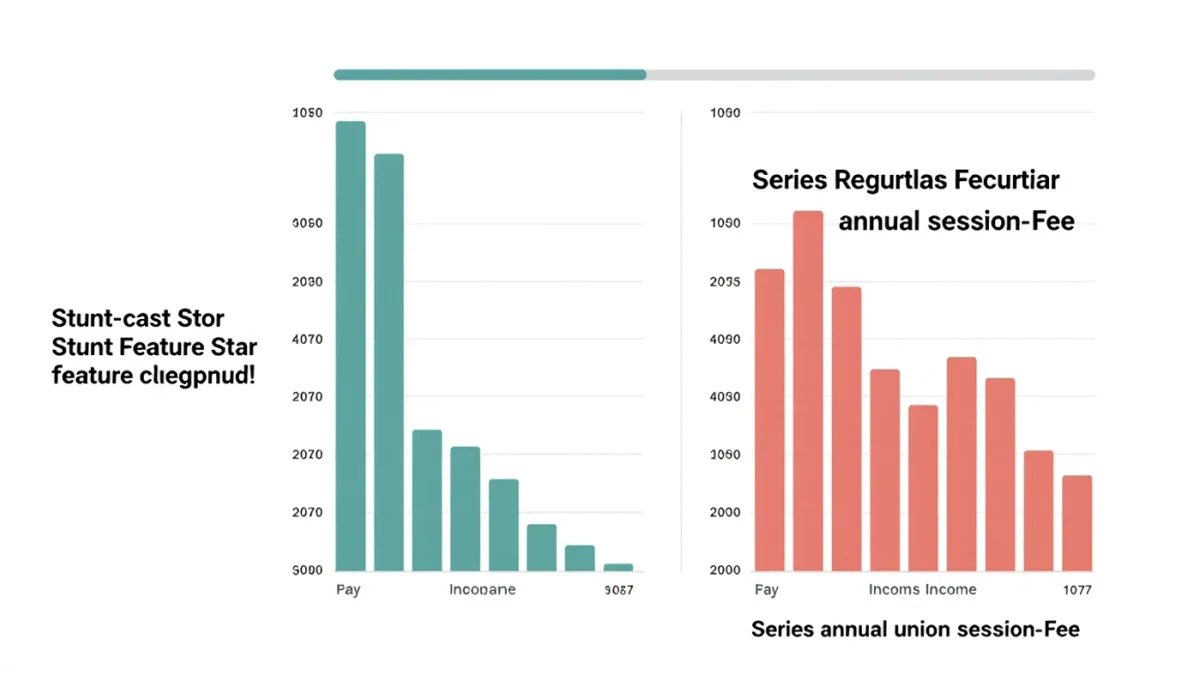
Franchise animation voice work looks like easy money, but the career splits sharply between stunt-cast movie stars and the working actors who carry the series economy.

The move from being hired talent to owning projects is one of Hollywood's most reliable power plays, and it follows a recognizable blueprint.