Celebrity tracks acting careers as commercial and creative projects: asking prices, back-end participation, production shingles, the pivot into directing, and the role that resets a trajectory. Reporting relies on named sources and disclosed terms. Written for readers who follow performers as professionals rather than as personalities.
Actors covered through working decisions: quotes per picture, back-end participation, production companies and the roles that reset a whole career.
A look-alike, or double, is a person who bears a strong physical resemblance to another person, excluding cases like twins and other instances of family resemblance. Some look-alikes have been notable individuals in their own right, such as the actresses Margot Robbie and Jaime Pressley.
Six fixed categories, a June committee vote, a city sign-off and two fees: the Hollywood Chamber of Commerce's own rules for how names reach the sidewalk, with the Class of 2027 as the working example.
Celebrity coverage looks spontaneous but is largely engineered through access, exclusives and a quiet economy of favors between publicists and journalists.
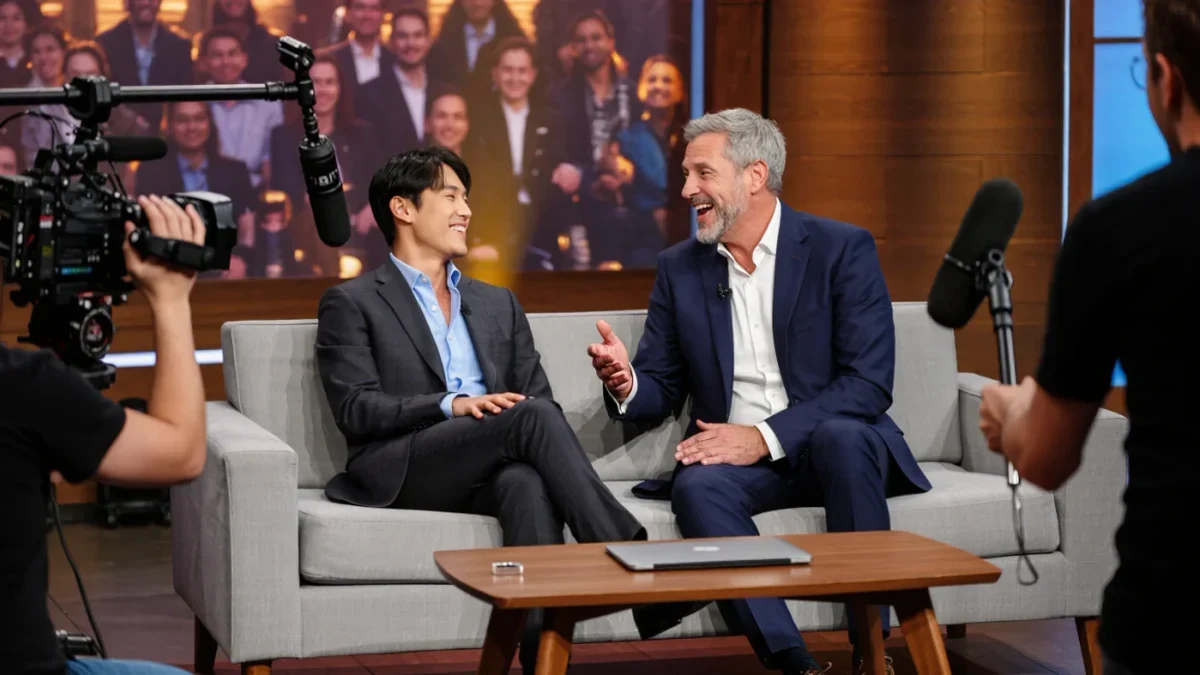
The late-night circuit is a calibrated marketing channel with taping schedules, clip strategy and measurable lift, not just a couch and a funny anecdote.
From flat fees to equity stakes and morality clauses, celebrity endorsement contracts are engineered financial instruments with rules most fans never see.
Behind every star's production shingle is a small business that options books, hires writers and sells projects, and most of its output never stars the founder.