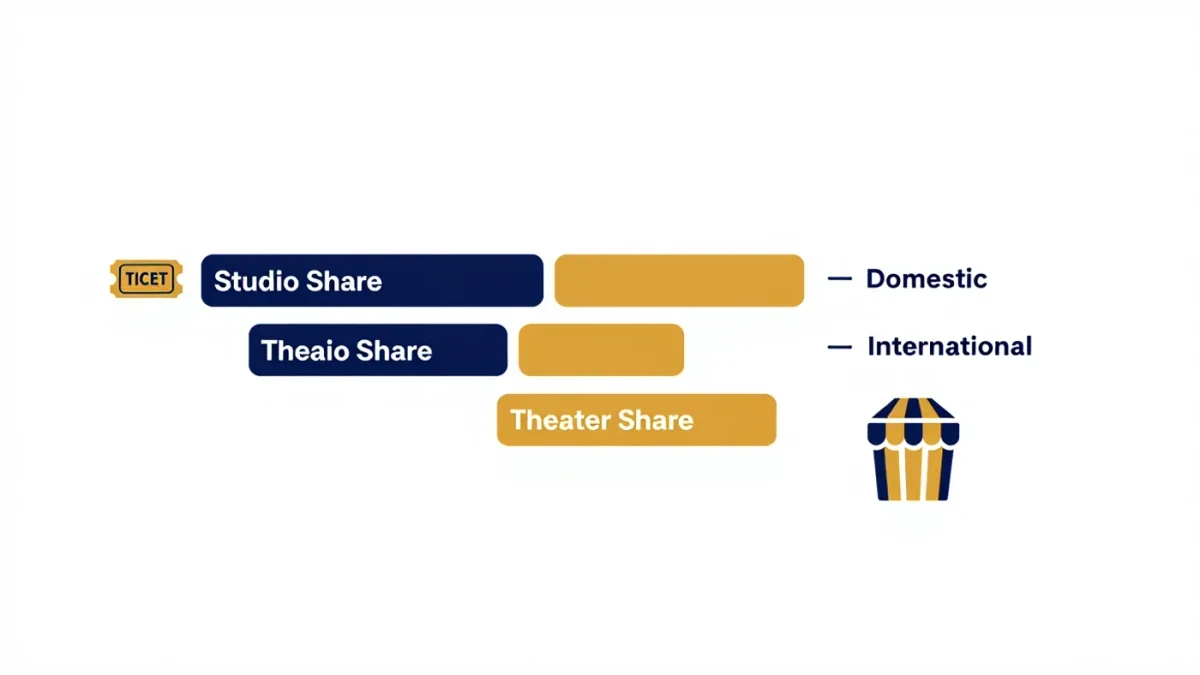
International box office is where most tentpole money lives, and it reaches the studio through a materially worse pipeline than domestic grosses: overseas theatrical rentals have historically averaged roughly 40 percent of gross, compared with around half at home, before local taxes, distribution fees and collection realities take further bites. International box office explained properly is a question of plumbing, not patriotism. A film can top global charts, break records abroad and still deliver less profit than its numbers suggest, because of how overseas revenue flows back through distributors, local sub-distributors and, in some markets, regulatory limits on what can leave the country at all.
Why studios release films market by market
Unlike the unified U.S.-Canada market, the international landscape is dozens of territories with separate distributors, censorship regimes, school holidays and competitive calendars. A global tentpole typically rolls out over several weeks: day-and-date worldwide releases, launching everywhere simultaneously, are reserved for the biggest franchises where spoiler avoidance and global marketing momentum justify the concentration. Most films stagger, chasing favorable local windows and avoiding direct collisions with local product.
China illustrates the stakes. It has been the largest single market outside North America, but Hollywood studios work through local partners, receive a smaller share of grosses than in most markets under the terms governing imported films, and face quota and blackout windows that decide whether and when a title can open at all. The grosses can be enormous; the portion that flows back is the smallest of any major market.
The distribution waterfalls
Overseas revenue passes through more hands than domestic revenue. The broad strokes, with the caveat that every deal is negotiated separately:
| Stage | Who takes a share | Typical effect on studio revenue |
|---|---|---|
| Gross ticket sales | Exhibitor keeps a negotiated portion | Local exhibitor splits roughly mirror domestic structures |
| Distributor rental | Local distributor or sub-distributor fees | Studio's share of foreign rentals commonly averages around 40% |
| Taxes and remittances | Withholding taxes, currency conversion | Further reduction on cross-border transfers |
| Studio overhead | Marketing costs incurred locally | P&A spend abroad often exceeds domestic spend on tentpoles |
Currency is a persistent drag. Grosses earned in weak currencies translate into fewer dollars when they are repatriated, and a strong-dollar year can quietly erase the growth recorded in local-currency terms. Studios hedge where they can, but the effect is real and shows up in quarterly earnings, where international theatrical revenue is reported with constant-currency adjustments that explain the gap.
Why day-and-date became the tentpole default
Piracy drove the shift. When a film opened in one market weeks before another, camcorded copies filled the gap, and international grosses suffered for it. Simultaneous worldwide release kills the piracy window, concentrates marketing into a single global event and lets a studio book the entire world's opening weekend into one earnings quarter. The cost is scheduling rigidity and enormous simultaneous P&A outlay, which only large franchises can absorb.
The counter-trend is equally deliberate: titles with strong local hooks can perform disproportionately in specific territories, and studios increasingly weight release dates toward local holidays, Lunar New Year, Diwali, Golden Week, that have no domestic equivalent. The global release calendar is now a year-round exercise in avoiding collisions while positioning each film where its audience actually is.
What international grosses hide
Record global totals flatter several realities. Ticket prices and premium-format penetration differ by market, so gross comparisons across countries are not attendance comparisons. Some markets report quickly and reliably; others report through channels the industry considers softer, and trade coverage occasionally adjusts global cumulative figures when territories reconcile late. And the studios' share of those totals varies so widely by market that the same global gross can represent very different profitability for two films.
The practical consequence is a rule of thumb every distribution executive uses: international gross is worth meaningfully less than domestic gross per dollar, and a film's break-even math must be done territory by territory. The gap is why a movie that 'flops' domestically can still earn a sequel, and why Hollywood's slate planning treats the domestic chart as a marketing narrative and the international ledger as the actual business.
Local production changes the demand side
The international market is no longer a passive destination for Hollywood product. Local-language films now dominate their home markets with increasing regularity: Chinese blockbusters routinely outgross Hollywood imports in China, and industries from India to South Korea to Mexico produce films that beat the American titles opening against them. That competitiveness matters to the revenue conversation because a studio's overseas performance is measured against local alternatives, not against other Hollywood films. A tentpole that once counted on a soft competitive field abroad now opens against domestic product with cultural advantages no marketing budget can replicate.
Studios have responded by investing in local production and co-production rather than only exporting, which gives them a share of the very titles competing against their imports. The strategic logic is the same as it has always been: follow the audience's actual preferences, and take a cut wherever the ticket is bought. For the purposes of reading box office coverage, the practical effect is that international grosses reflect a market that is both bigger and more contested than the one the weekend chart's domestic narrative imagines.
How global totals are assembled
There is no single worldwide box office authority. International grosses arrive from dozens of local reporting channels through Comscore's international operations and the studios' own regional offices, at different speeds and with different reliability, and global cumulative figures are compiled from that patchwork. Trade outlets update worldwide totals as territories report, which is why a film's global number in Monday's story can differ slightly from Friday's even with no new territory opening. The worldwide milestones that anchor studio press releases, crossing a billion, passing a previous installment, are calculated on the same continuously reconciled basis, and the reconciliations occasionally move totals down as well as up.
For readers of weekend coverage, one habit resolves most confusion: check whether a global figure includes the newest territories or lags them. The chart is always a draft, and the international draft is the draftiest of all, because it is stitched from dozens of reporting systems answering to dozens of calendars.