Merchandise licensing revenue is the part of the movie business the audience never prices. The global licensing industry — covering toys, apparel, games, food promotions and collectibles across all property types — generates retail sales of more than $350 billion annually, per Licensing International's Global Licensing Industry Study, and entertainment and character properties account for the single largest share of it. For the biggest franchises, that quiet royalty stream can rival theatrical box office, and it arrives with margins no theater chain can match.
How does film merchandise licensing actually work?
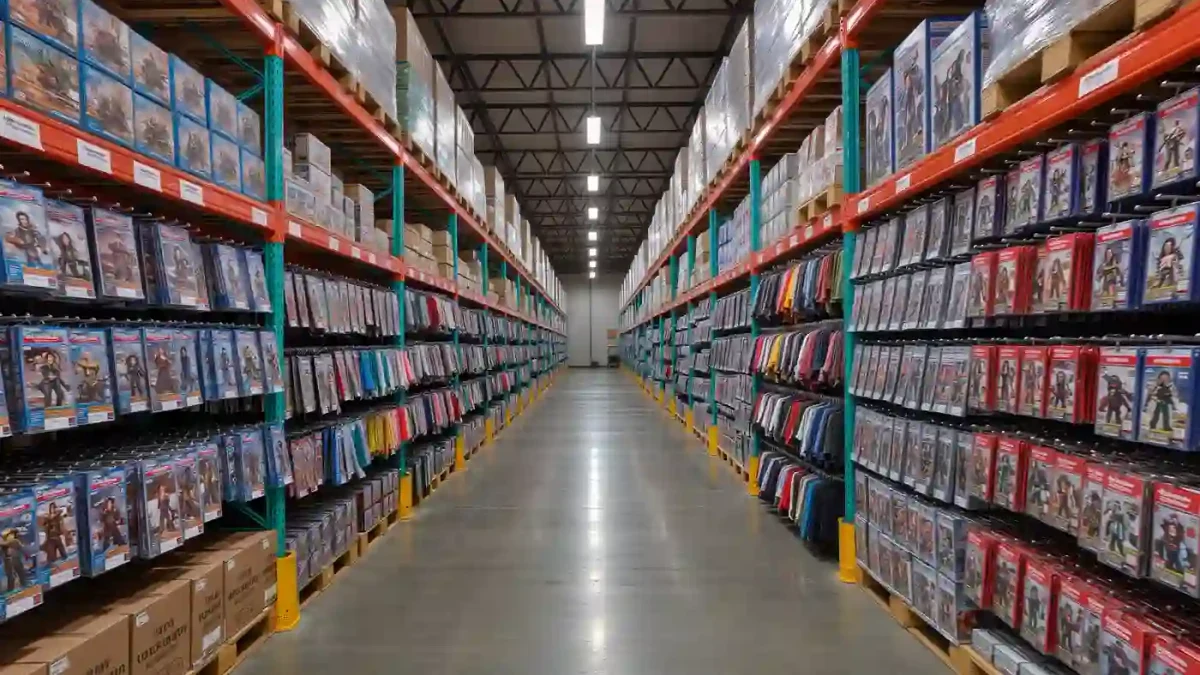
A studio's consumer products division owns the intellectual property and rents it out. A toy manufacturer pays for the right to produce action figures under a license that specifies territory, product category, duration and, critically, guaranteed minimum royalties. The studio approves designs, packaging and marketing, then collects a royalty on wholesale sales — typically a percentage negotiated in advance.
The structure matters more than the rate. Minimum guarantees mean the studio is paid even if the product line fails, while the licensee absorbs manufacturing and inventory risk. For retailers, the studio supplies the marketing through the film itself; for the studio, shelf space at major chains functions as advertising it did not have to buy.
Why can merchandise beat box office?
Because the revenue participates without the costs. A theatrical hit splits ticket sales with exhibitors and then absorbs a marketing budget that can exceed $100 million. A royalty check arrives on top of licensing fees already collected, with the studio's own cost limited to approval staff and brand enforcement. This is why franchise films with strong toy lines — superhero, space opera, animation — get greenlit on commercial logic that mystifies critics.
The pattern has held for decades. George Lucas famously accepted a reduced directing fee on the original "Star Wars" in exchange for merchandising and sequel rights, a decision that built one of the largest entertainment fortunes in history and taught every studio since to never give those rights away. Disney's 2012 acquisition of Lucasfilm and its 2009 purchase of Marvel were, at their core, acquisitions of merchandise-licensing machines.
Which categories generate the most licensing revenue?
- Toys and games: the historic core, dominated by building sets, action figures and plush, where entertainment licenses outweigh all other property types.
- Apparel: the largest single category by retail sales across all licensing, with film and character graphics as a staple segment.
- Collectibles and adult figures: the fastest-maturing segment, aimed at adult fans willing to pay premium prices for screen-accurate prop replicas.
- Food and beverage promotions: quick-service restaurant tie-ins that function as paid marketing for the film itself.
- Video games and digital items: a crossover category where film characters appear as licensed skins and cosmetics.
What happened to merchandise after streaming?
Streaming compressed theatrical windows but did not dent licensing, because licensing depends on sustained affection, not on where a film premieres. Netflix built a consumer products operation around "Stranger Things," and its sequels-and-series model keeps properties in the cultural conversation for years, which is exactly what a licensee wants. The real disruption was retail: the decline of specialty toy chains concentrated power in a few mass retailers, raising the stakes for each annual film slate.
The audience also aged up. Adult collectors now anchor a meaningful share of the market, buying high-end figures and prop replicas for properties they first encountered as children. Studios responded with tiered programs — mass-market toys for opening weekend, premium collectibles for anniversaries and conventions.
How do licensing deals get made?
Most are struck at trade shows such as Licensing Expo in Las Vegas, where studios present slates eighteen to twenty-four months before release. A licensee commits based on trailers, scripts and the studio's marketing plan, then races to hit shelf dates synchronized with the premiere. Lead times are the reason merchandise leaks are a reliable early signal of a film's plot: packaging artwork goes to print months before the movie opens.
Deal terms scale with risk. A guaranteed hit like a mainline superhero sequel commands high royalty rates and stiff minimum guarantees. A new original property may have to pay retailers for placement or give away licenses at nominal rates just to build the brand — an investment the studio recoups on the sequel if the first film connects.
Who enforces the licensing machine?
Anti-piracy has become a serious line item. Counterfeit merchandise for major franchises circulates globally, and studios fund legal teams and customs enforcement to protect licensees' exclusivity, because a license that fails to exclude counterfeiters is a license no one will pay full price for again. Enforcement intensity rises around tentpole releases and major conventions.
How do royalties flow and get audited?
Licensees report sales quarterly and pay royalties on those figures, but the contracts also grant the studio audit rights — and audits routinely surface underreporting. Disputes over unreported sales, unapproved channels or royalty rate misclassification are among the most common litigation types in the industry, and settlements rarely make headlines because both sides need the ongoing relationship more than the one-time recovery.
Advances against royalties structure the cash flow. A licensee pays a large advance at signing, recoups it from earned royalties, and only then pays overage. Studios therefore book meaningful licensing revenue before a film ever opens, which smooths earnings across theatrical ups and downs — a secondary reason investors like the segment.
Why does licensing decide greenlights?
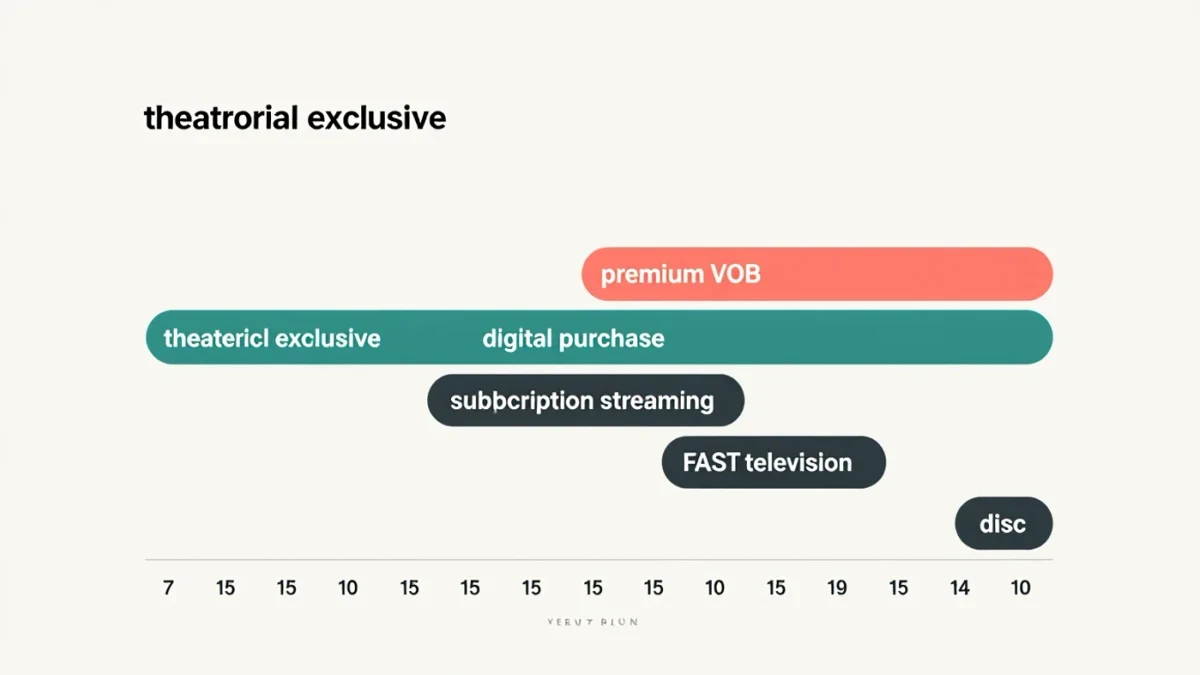
Studio executives evaluate each potential franchise across windows: theatrical, home entertainment, streaming, parks and consumer products. A film that projects modest box office but a strong toy line — an original animated family film, for example — can clear the greenlight threshold on licensing math alone. That cross-window model is why mid-budget dramas for adults have become rare studio products: they generate almost no licensing revenue, and no amount of critical acclaim substitutes for a shelf presence.
For investors, licensing is also the most visible metric of franchise health. When a major partner declines to renew, markets read it faster than any exit poll. Merchandise licensing revenue remains the industry's quietest scoreboard and one of its most decisive.