The post-theatrical money trail begins the day a film leaves theaters, and the pipes it flows through have been rebuilt within a single decade: premium VOD, a home rental at a premium price point, typically in the $19.99 to $29.99 range, now commonly arrives within roughly 45 days of release where the exclusive theatrical window once stood at 90 days or more, and digital purchase, subscription streaming, free ad-supported television and a shrunken disc business divide everything that follows. From PVOD to disc, each format pays the studio differently, on different timelines, with different intermediaries taking their cut. The home-entertainment revenue stack is where most films actually earn their profit, and it is the least publicly visible part of the business.
What the windowing ladder looks like now
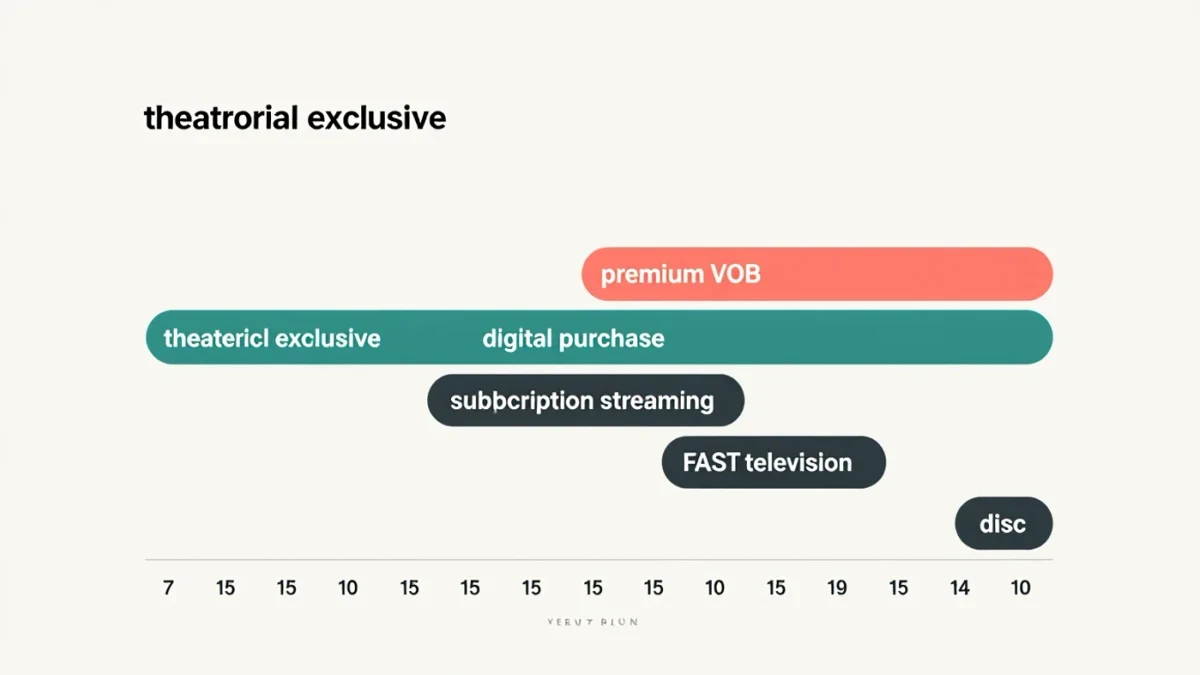
Windowing, the sequencing of a film's availability across formats, is the revenue strategy itself. The current shape, with real variation by studio and title:
| Window | Typical timing | Who pays, and how |
|---|---|---|
| Theatrical exclusive | Roughly 30-45 days on many titles | Consumers, via the exhibitor split |
| Premium VOD | Day 31 to 46 onward | Rental at $19.99-$29.99, split with the platform |
| Digital purchase (EST) | Alongside or after PVOD | Buy-to-own, higher unit price, platform share |
| Subscription streaming | Months later, or day one for streamers' own films | Licensing fee or internal allocation |
| FAST and linear TV | Years into the cycle | Ad-revenue share or per-license fees |
| Blu-ray and 4K UHD disc | Several weeks after PVOD | Physical sell-through, retail margin |
The order matters because each window monetizes a different willingness to pay. PVOD captures the urgent audience at a high price per transaction; streaming amortizes the long tail across a subscription; FAST extracts the last cents from ad inventory years later. A film's post-theatrical strategy is about not collapsing these layers too quickly, because once a title hits an included subscription tier, the premium tiers stop converting.
How PVOD changed the math
The 90-day window was a decades-old arrangement protecting exhibitors, and the pandemic broke it. With theaters closed, studios pushed titles to digital early, and when the dust settled the new equilibrium settled around a shorter exclusive window at many studios, often in the 30-to-45-day range, followed by premium rental. PVOD economics favor the studio disproportionately: the digital retailer takes its share of each rental, but the transaction price is several times a theatrical ticket, there is no physical print cost, and the studio controls pricing directly. Trade estimates have repeatedly suggested premium VOD delivers among the highest margins of any window, which is precisely why the windows keep shortening.
Exhibitors extract concessions in exchange, revised rental splits, guarantees on window lengths for the biggest titles, or event-cinema exclusivity. The tension is permanent, because every dollar of PVOD revenue is a dollar the theatrical window might otherwise have captured from the same household.
Streaming licensing and the library business
Subscription streaming deals come in two forms. Third-party licensing, where a streamer pays a studio for rights to a film for a defined term, produces recognizable revenue. In-house placement, where a studio's own film moves to its affiliated streamer, produces no external cash at all, just an internal transfer that the corporation values for subscriber impact. Analysts treat the two very differently, and the industry's accounting debates about how to value in-house streaming windows are ongoing.
The library is the quiet compounding asset. Films that exit their premium cycles keep generating licensing fees across territories and platforms for decades, moving down a value ladder from exclusive deals to non-exclusive bundles to FAST channels. Catalog titles can collectively out-earn new releases in home entertainment, which is why studios pay real money to maintain rights to their own film libraries and why legacy catalogs were a driving force in the last decade's media mergers.
The disc, smaller but alive
Physical media has declined for years but not died. Blu-ray and 4K UHD appeal to collectors and enthusiasts, and boutique labels have built a real business on premium editions of catalog and arthouse titles. Disc economics are simple retail sell-through with manufacturing costs, and volumes are a fraction of the DVD era's peak, but margins per unit remain respectable and the format preserves a purchase that cannot be withdrawn when a license lapses. For a small but committed audience, that permanence is the product.
Reading the money trail
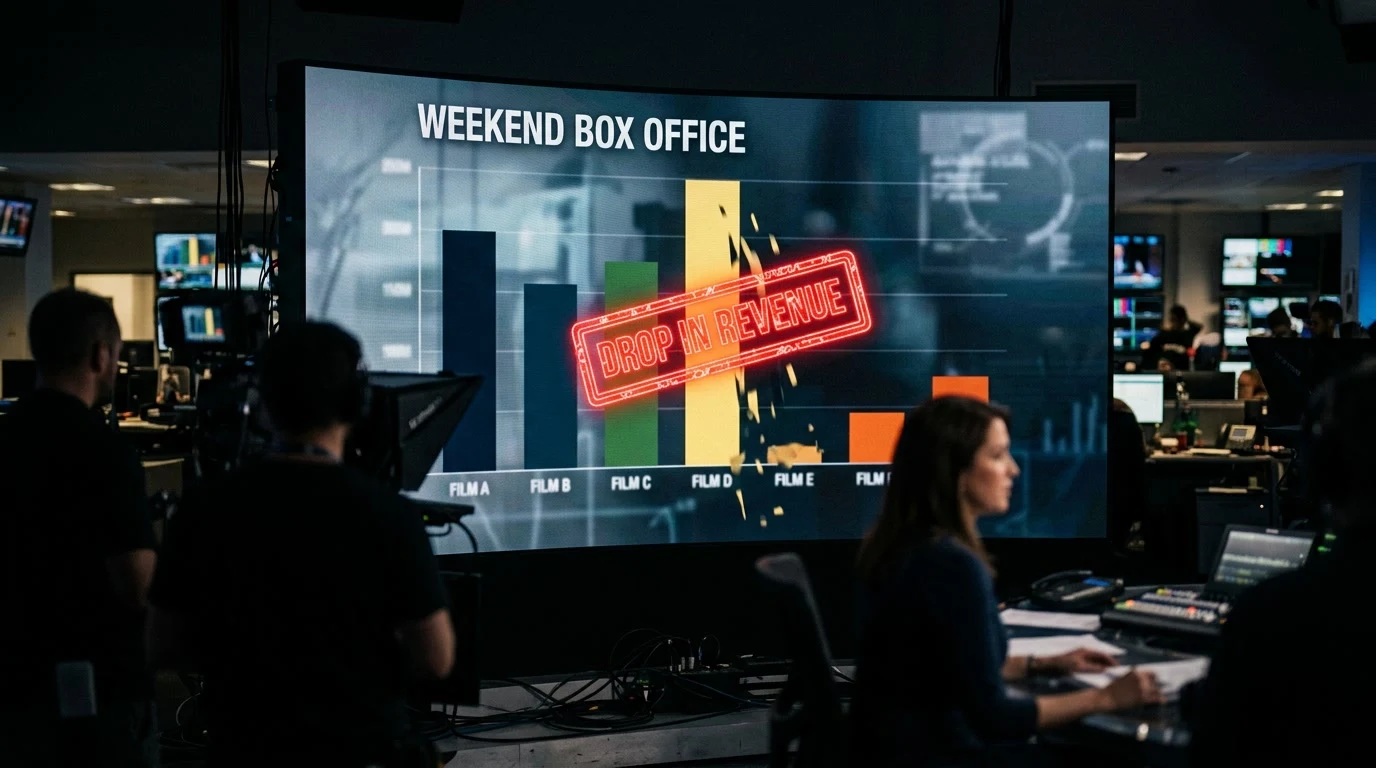
The practical summary: a modern film earns across six or more sequential channels, the theatrical gross is only the first and most visible, and the splits improve as the windows move into formats the studio controls more directly. When a studio reports that a film became profitable, it is almost always the post-theatrical stack doing the work, PVOD conversions, a streaming license, years of library income. The weekend chart tells you which film won the marketing contest. The windows tell you which film made money.
How the home money gets counted
Post-theatrical revenue is the least transparent part of the business because so much of it never appears in a public chart. Digital Entertainment Group, the industry body that aggregates home entertainment spending across digital and physical formats, publishes the sector's standard spending tallies, and they show a market where digital rental and purchase dominate and physical persists as a collector niche. But studio-level detail is scarce: streaming licensing fees are confidential, in-house placements generate no external revenue to report, and PVOD performance is disclosed, when it is disclosed at all, only in the aggregate commentary executives offer on earnings calls.
Analysts therefore triangulate, using window lengths as the observable proxy. When a studio holds a title in theaters an extra month, theatrical is outearning the PVOD alternative; when a premium rental appears on day 31, the calculus flipped. The windows are the only part of the post-theatrical money trail the public can read in real time, which makes the release calendar a profit disclosure in disguise, published one date change at a time.
The disc's persistence also serves a legal function: it preserves a transferable copy of films whose streaming availability can vanish with a licensing expiry, a growing concern as titles quietly disappear from platforms they seemed permanent on. Ownership, the oldest format advantage in the business, is now its most current one.