Music does quiet work in a movie. It tells you how to feel before anyone speaks. Few viewers think about who makes it. The film composer builds the score scene by scene, and the job follows a clear path from first rough cut to final mix.
That path runs through temp music, a spotting session, a tight writing window, and a recording day with the film glowing on a big screen. Here is how each step works, and why the finished music rarely sounds like the tracks editors first used as placeholders. Readers following this should also see Why a Movie Marketing Budget Can Rival the Film's Entire Production Cost.
It Starts With a Temp Track
Editors rarely cut a film in silence. They fill the quiet with a temp track. According to Wikipedia, a temp track is existing music used during editing as a guide to the tempo, mood, or atmosphere the director wants in a scene. Editors also call it scratch music or temp music.
The placeholder usually leaves before release. An original score takes its place. But directors grow attached. Some ask the composer to imitate the temp. Others keep the temp and drop the new score altogether. Stanley Kubrick did that on "2001: A Space Odyssey," keeping classical recordings, including music by Gyorgy Ligeti, instead of Alex North's finished score. Wikipedia also lists lost scores by Bernard Herrmann on "Torn Curtain," Gabriel Yared on "Troy," and Alan Silvestri on "Pirates of the Caribbean: The Curse of the Black Pearl."
Spotting: Mapping the Music
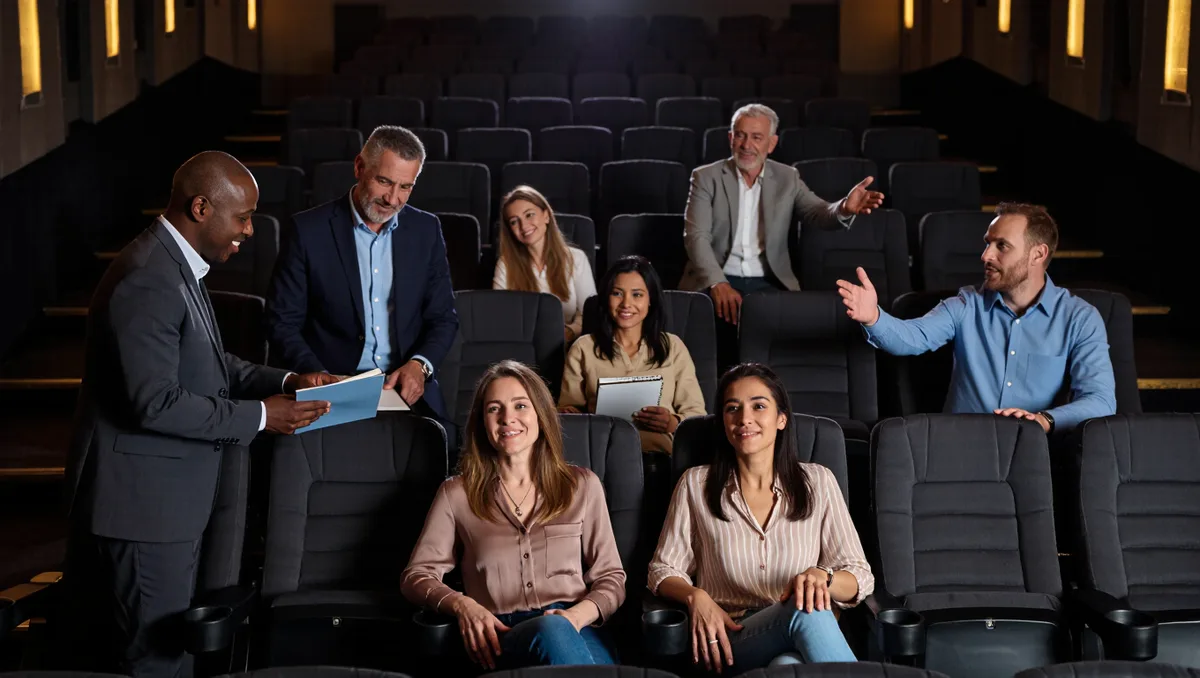
The composer usually joins near the end of the shoot, as the film is being edited. The first major meeting is the spotting session. Director and composer watch the whole rough cut together. They decide which scenes need original music, and the director describes the style and tone he wants.
Every piece of score is called a cue. During spotting, composers take precise timing notes. They log where each cue starts, where it ends, and the exact moments the music must strike. Wikipedia notes that most films carry between 45 and 120 minutes of music , and every note of it hangs on those spotting notes.
The Writing Window
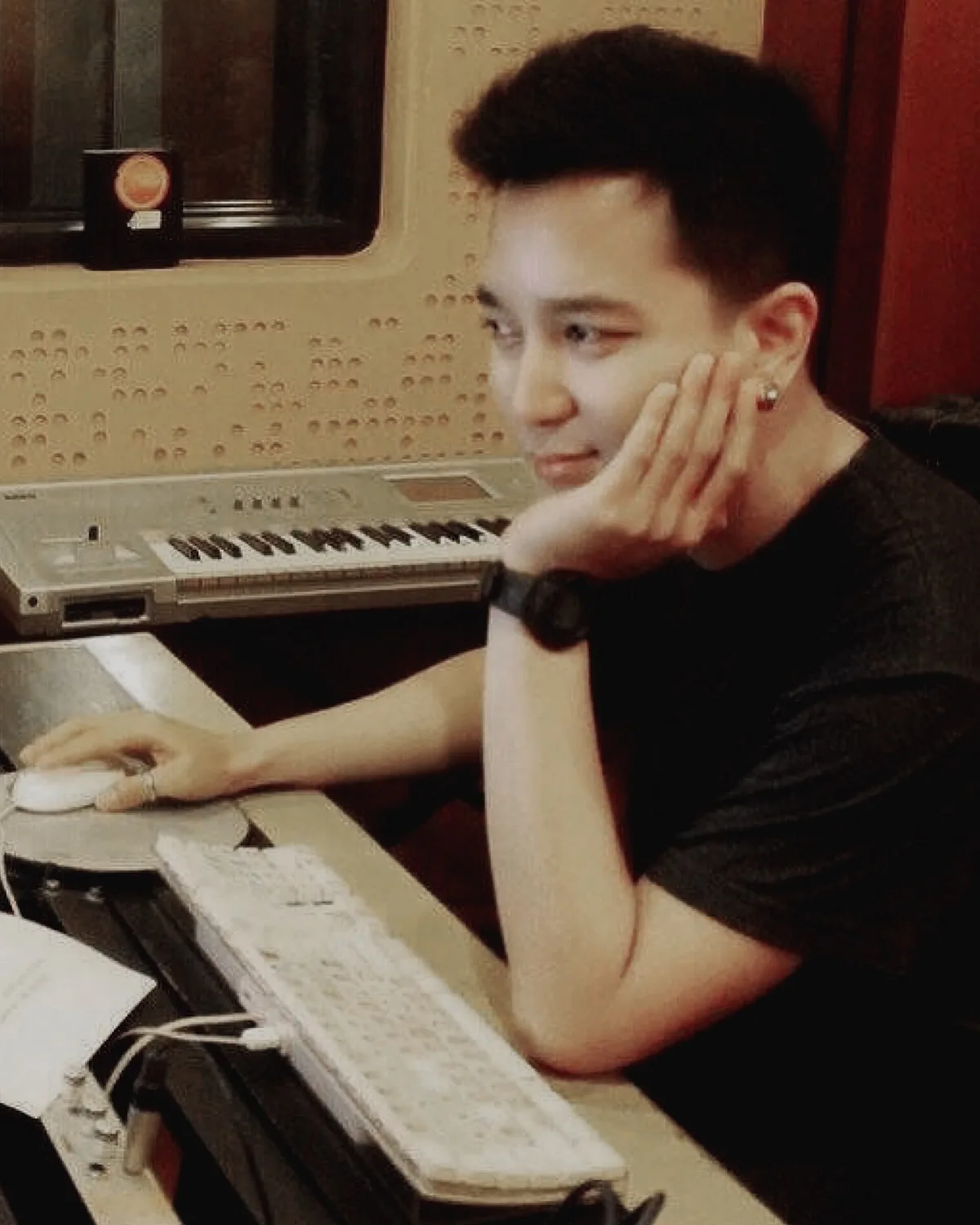
Then the composer writes. Some still sketch with pencil and paper and play drafts on a piano. Others compose in software and build MIDI mockups, rough digital versions of the orchestra, so the director can hear each cue early. Many modern scores blend orchestra with electronics, and some composers now perform entire scores inside a computer.
The schedule is tight. Depending on the post-production calendar, a composer may get as little as two weeks or as much as three months to write. Wikipedia says the writing itself often lasts around six weeks . A few directors even cut scenes to finished music. Steven Spielberg edited the finale of "E.T. the Extra-Terrestrial" to match a cue John Williams had recorded without watching the scene.
Orchestration and the Scoring Stage
Finished sketches are not sheet music. An orchestrator turns them into instrument-specific parts for every player in the ensemble. Ennio Morricone orchestrated his own work. Many composers hand the task over when time runs short.
Then the musicians record, often with the composer conducting. The orchestra sits in front of a large screen showing the film. Players wear headphones with a click track, a steady pulse that locks each bar to the picture. Strong scores also give characters their own themes, an idea that traces back to Wagner's leitmotif. John Williams's "Star Wars" themes remain the model.
Songs Are Not the Score
A pop song heard on a car radio in a scene is not part of the score. Wikipedia draws a clear line: the score is music written for the film, while songs placed into scenes sit outside it. Source music belongs to the story world, like "Can't Take My Eyes Off You" in "The Deer Hunter." Some films skip a score entirely. Alfred Hitchcock's "The Birds" carries no traditional music at all.
Conclusion
A film score is engineered, not just written. A temp track sets the mood in the edit. Spotting maps every cue to the frame. A short writing window, careful orchestration, and one long session on the scoring stage turn all of it into finished music.
So the next time a scene lands without a word of dialogue, listen closely. Someone timed that swell to the frame, months before you bought a ticket. This connects to our earlier piece, How Tracking Firms Forecast Opening Weekends Before Anyone Buys a Ticket.