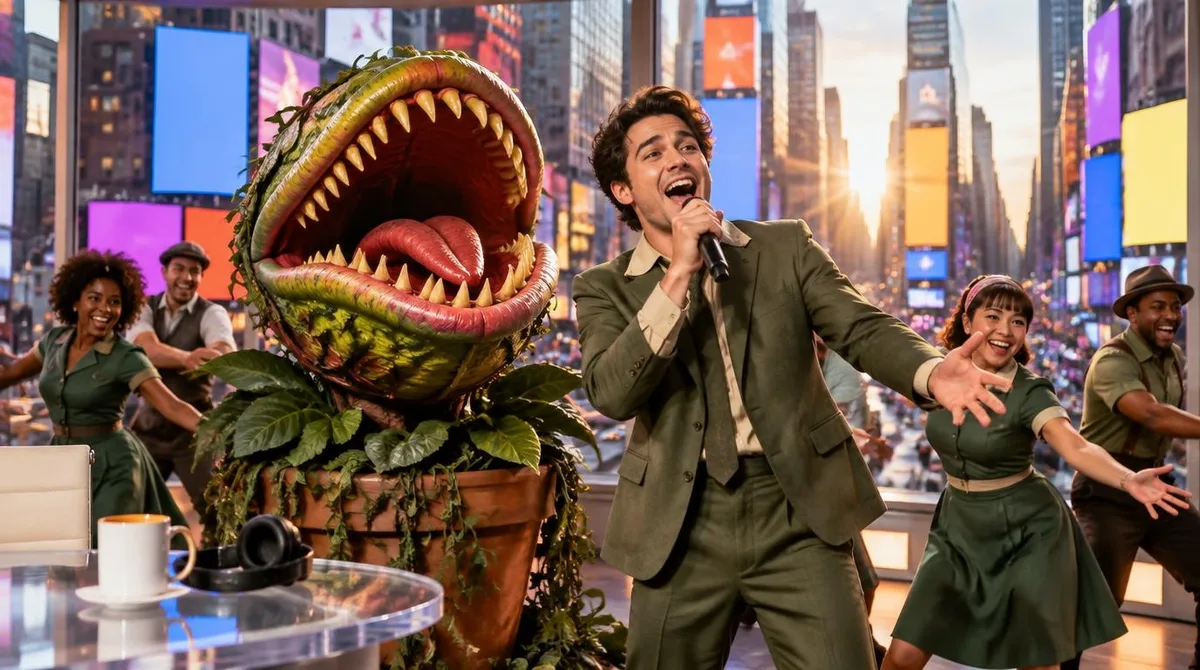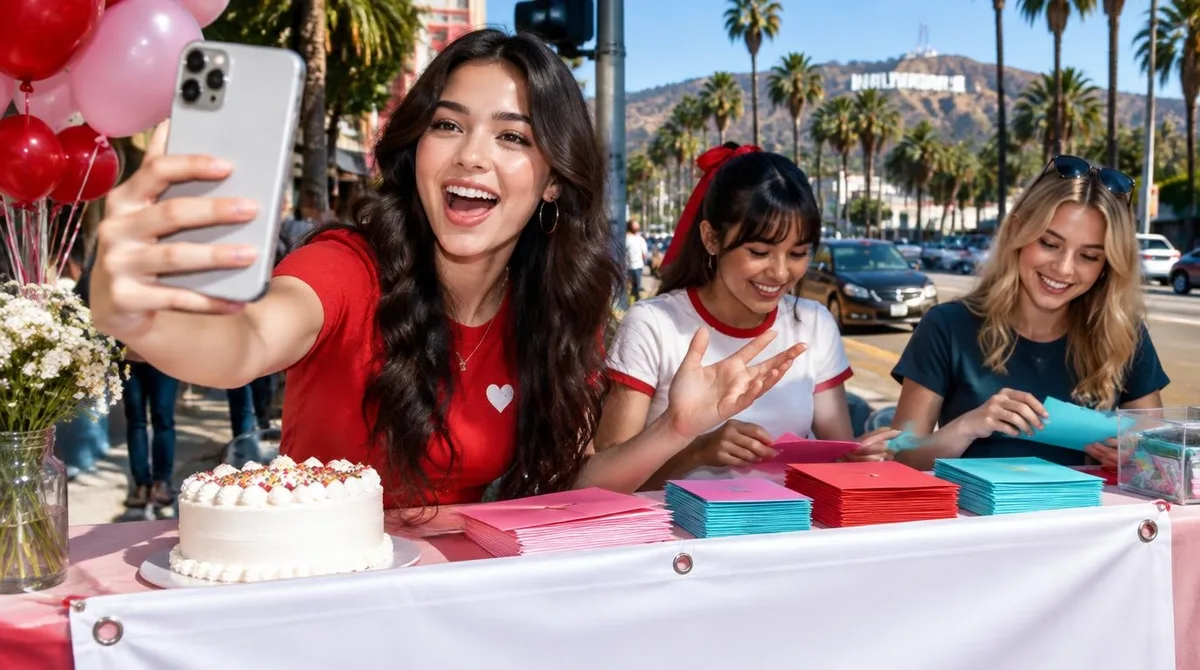
Celebrity birthdays used to pass with little notice outside a fan club newsletter. Today a star's birthday arrives with a hashtag, a coordinated fan project, a charity drive, and often a brand deal attached. The date has become a scheduled event on the fame calendar, planned as deliberately as a film release.
The shift is recent, but the instinct behind it is old. Fans have always marked the people they admire. What changed is the toolkit: social platforms turned a private celebration into a public, measurable, and monetizable one. According to Wikipedia, celebrity itself is a condition of fame built on mass-media attention, and each new media form has widened how people become famous — birthdays now sit inside that same machine.
This piece explains why the dates became events, who does the work, and what the trend means for how fame is run. The short version: a celebrity birthday is now a fan ritual, a publicity opportunity, and a revenue moment all at once.
Why do fans treat a star's birthday like a holiday?
Fandom runs on shared rituals. A birthday gives fans a fixed date, a shared reason to post, and a low-stakes way to show loyalty. Nobody has to buy a ticket or defend a controversy. They just celebrate.
The behavior has deep roots. According to Wikipedia, the fan frenzy around composer Franz Liszt — Lisztomania, beginning in 1841 — created the basis for how fans behave around favorite musicians in modern society. Devotees of Lord Byron echoed a similar intensity after his 1812 rise to fame. The birthday ritual is simply the modern, organized version of that old impulse.
What makes the current version different is coordination. Fan communities now plan birthday campaigns weeks ahead: trending hashtags timed to a specific hour, streaming drives for the star's music or shows, and group donations to a charity named in the star's honor. The event is scheduled, staffed, and measured.
There is also a belonging effect. Posting on a star's birthday signals membership in a community. For many fans, the hashtag is less about the celebrity and more about being seen by fellow fans.
What actually happens on a celebrity birthday online?
The day usually follows a familiar sequence. Fans open the countdown days early. On the day itself, they flood the hashtag, share favorite photos and clips, and run their charity or streaming projects. The star, or the star's team, often responds with a post, a behind-the-scenes photo, or a thank-you video.
The celebration is not limited to the star's own account. Family members and friends now mark the date publicly, and those posts become stories of their own. E! News recently covered Michael J. Fox sharing rare photos celebrating his daughter Esme's 25th birthday — a small family moment that traveled as entertainment news because of who posted it.
Brands join in too. A birthday gives a sponsor a natural, warm reason to post about a star it works with, without a hard sell. Publicists watch for these windows, because a birthday post earns goodwill that a product launch cannot buy. The way those teams shape what gets covered week to week is its own craft, as we explained in How Publicists Shape What You Read About Stars Every Week.
How did birthdays become part of the fame business?
The short answer: fame has always been commercial, and birthdays turned out to be one of its most efficient products.
According to Wikipedia, historian Greg Jenner defines a celebrity as a persona made widely known through media coverage, whose life is publicly consumed as entertainment and whose commercial brand is made profitable by those who exploit the popularity. Under that definition, a birthday is a brand asset like a face or a voice. It is repeatable, predictable, and it arrives every year on schedule.
The commercial layer is not new either. Wikipedia's history notes that Lillie Langtry became the first celebrity to endorse a commercial product when she fronted Pears Soap in 1882. What is new is the directness. A star's team can now see birthday engagement in real time — trending topics, post volume, charity totals — and sell against it.
For the star, the birthday also functions as a goodwill reset. A well-run celebration generates positive coverage that can cushion a slow news stretch or a rough headline cycle. That is why teams treat the date as a planning point, not an accident of birth records.
Who does the work behind a birthday event?
More people than most readers assume. Fan organizers, often unpaid, do the bulk of it: designing graphics, timing posts, moderating the hashtag, and compiling tribute videos. Their reward is status within the fan community and, occasionally, acknowledgment from the star.
The professional side runs in parallel. A publicist may place a birthday profile with an outlet, brief friendly reporters, or coordinate the star's own post. A manager may attach a charity drive with a partner organization. A brand team may schedule sponsored content. The fan energy and the professional plan are supposed to meet at the same hour, and when they do, the event looks effortless.
When they do not, the seams show. A sponsored birthday post that lands amid fan grief or controversy reads as tone-deaf, and the backlash is instant. The coordination required is one reason celebrity coverage has become a year-round operation rather than a reaction to events, a pattern we traced in What a Single Day of Entertainment News Actually Shows About How Celebrity Coverage Works. For related coverage, see What a Single Day of Entertainment News Actually Shows About How Celebrity Coverage Works.
What this means for how we read celebrity culture
Our analysis: the birthday event is a useful lens on modern fame because it strips away the drama. There is no scandal, no box office, no award to fight over. It is pure attention, organized on purpose, and it shows how deliberately fame is now managed.
It also shows the balance of power has shifted toward fans. A hashtag campaign is a form of labor, and stars know it. Acknowledging fan projects — a thank-you video, a repost, a charity match — has become part of the job. The relationship is transactional in a warm way, and both sides understand the exchange.
The trend is likely to keep growing, because every part of it is measurable and every part is pleasant. Compared with the rest of the celebrity news cycle, a birthday is the easiest story in the business to run — and the hardest one to get wrong.