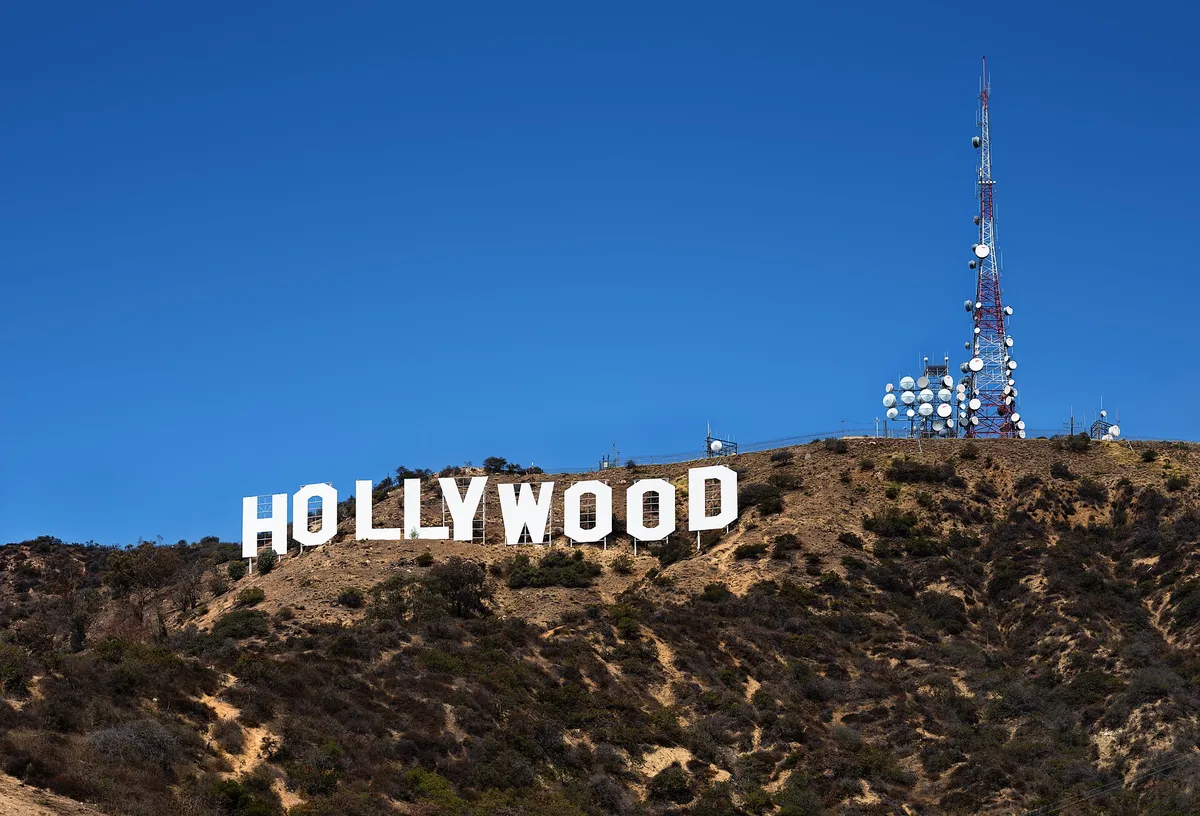
The Hollywood studio system was the machine that ran American movies from roughly the 1910s through the 1940s: a handful of big studios that owned their own theaters, signed actors to long contracts, and controlled every step from script to ticket booth. That machine is gone. Its habits are not. Today's franchise slates, star packaging and streaming bundles are the same business model wearing different clothes.
The shape of the modern industry traces directly back to that era. When a studio locks a director into a multi-picture deal, it is running a softer version of the old contract system. When a streamer releases a slate of similar-looking films to keep subscribers paying monthly, it is chasing the same thing the old studios chased: predictable volume, not one-off gambles. Even the word "studio" itself carries the old weight, and the Hollywood identity was built on it.
Why did the studios end up in Hollywood in the first place?
The move west was, at its core, a legal workaround. In the early 1900s, most motion-picture camera and equipment patents were held by Thomas Edison's Motion Picture Patents Company in New Jersey, which routinely sued filmmakers to stop productions it did not license. Filmmakers began moving to Los Angeles partly because enforcing those patents there was easier to evade. According to Wikipedia, by 1912 the major motion-picture companies had come west to set up production near or in Los Angeles.
The geography helped too. The HISTORY account of the city's founding notes that Hollywood offered warm, predictably sunny weather and diverse terrain that worked as ready-made movie backdrops. Cheap land and mountain backdrops did the rest. What began as patent-dodging became an industry capital.
The town itself was barely older than the industry. Hollywood was incorporated as a municipality in November 1903 and merged with Los Angeles in February 1910, in part to secure a reliable water supply. The first film made entirely in Hollywood was a 1910 short, In Old California. By 1915, per HISTORY, many major motion-picture companies had relocated from the East Coast. The infrastructure of an industry assembled itself in under a decade.
What did the studio system actually control?
Everything. During the Golden Age, five studios known as the "Big Five" dominated the business: Warner Bros., RKO, Fox, MGM and Paramount, with Columbia, Universal and United Artists as smaller players. The studios owned the production lots, the distribution pipelines and, critically, many of the theaters where films played. A studio made a picture, shipped it to its own houses, and collected the ticket money at every stage.
Stars were company property in practice. Actors, directors and writers signed long-term contracts and were assigned to projects the studio chose. A star under contract could be loaned to another studio, cast against type, or suspended for refusing a role. The system manufactured fame as efficiently as it manufactured films, and the fame sold the films. Casting was a scheduling decision before it was an artistic one.
The audience side was just as locked down. Moviegoing was a habit, not an event. HISTORY estimates that up to 80 million Americans went to the movies each week during the Depression, a figure that captures how reliable the product was: Westerns, musicals, romantic dramas and horror films rolled off the lots on schedule. Volume was the business model.
What broke the system apart?
The same control that made the studios rich eventually drew federal antitrust scrutiny. The core problems were vertical integration, studios owning theaters, and block-booking, the practice of forcing theaters to take a slate of films sight unseen. Court action over the years pried the exhibition business away from the studios and weakened the bundled deals, and the rise of television in the postwar years pulled away the weekly audience that had made volume production pay.
The contract-star system collapsed with it. Actors began working deal to deal, agents gained the power the studios had held, and talent became the industry's most expensive and mobile resource. That shift created the modern agency business, and with it the packaging model, where an agency assembles star, director and script and sells the package to a studio. The old system assigned talent. The new one auctions it.
How does the old system echo in today's franchises?
Look at a modern franchise slate and you are looking at volume production with better accounting. A studio that plans interconnected films years in advance is doing what the Big Five did when they kept a stable of series and B-movies flowing through their theaters: reduce risk through repetition. The tools changed, the logic did not. Our analysis of how slates get built, in How a Studio Builds a Franchise Slate Over Five Years, Step by Step, shows the same calendar-first thinking the old system ran on. This connects to our earlier piece, How a Studio Builds a Franchise Slate Over Five Years, Step by Step.
Star contracts echo too. Marvel-style multi-picture deals, franchise options and pay-or-play commitments are all descendants of the contract system, just negotiated by agents instead of dictated by a studio head. The difference is leverage. Under the old system the studio held the star; now the star's attach value can hold the project hostage. Either way, the underlying assumption survives: a recognizable face attached to a known property sells tickets faster than an unknown one attached to anything.
The four-quadrant pitch, the attempt to make one film work for every demographic at once, is a direct heir of the old system's need to fill a theater every night with everyone in the neighborhood. The mechanics are laid out in Four-Quadrant Movies Explained: Why Studios Chase All Four Audiences at Once. Readers following this should also see Four-Quadrant Movies Explained: Why Studios Chase All Four Audiences at Once.
What does streaming have to do with any of this?
More than the marketing admits. A streaming service signing an overall deal with a producer, paying a fixed fee for exclusive output, is running the old studio's in-house lot model with a subscription instead of a ticket. The service controls distribution, controls the slate, and wants volume on schedule. That is the contract era's predictability rebuilt on servers instead of soundstages.
The windowing fights of the last several years are the same story in miniature. The old studios controlled when and where a film played because they owned the theaters. Today the leverage point is the release window, and the terms of that fight are covered in Streaming vs Theatrical: How Movie Release Windows Work in 2026. Whoever controls access to the audience controls the money, which is the one lesson the studio system taught that nobody has forgotten.
What this means for how movies get made now
The practical takeaway is that Hollywood's business history is not background color; it is the operating manual. Mid-budget dramas returning to theaters, tax incentives pulling shoots to new states and countries, and budget line items scrutinized to the dollar all reflect studios relearning what the old system knew instinctively: control the pipeline, standardize the product, and own the relationship with the audience. The economics behind that last point run through Why Mid-Budget Movies Are Returning to Theaters After the Streaming Exodus.
What the evidence of the industry's history establishes is continuity, not reinvention. The studios lost their theaters, their contracts and their monopoly, and gained competition from television, streaming and independent film. What remains unknown is whether the current volume-and-franchise model can hold the weekly habit the old system once enjoyed, or whether it is borrowing against the same audience loyalty the contract era spent down. The audience walking out is still data.