Building a franchise slate takes five to seven years from IP acquisition to second-film release, and the process runs backwards from the calendar: studios date the sequel before the first film opens, secure the cast and director for multiple installments in the initial deal, and reserve premium release corridors years ahead. The mechanism is visible in the current cycle — Marvel Studios' slate through Avengers: Doomsday on December 18, 2026 was assembled across a decade of interlocking production commitments, and DC Studios rebuilt its own multi-year plan around a phased rollout announced before its first film shot. A franchise slate is not a list of hits; it is a supply chain, and every element of it is contracted in advance to keep that supply continuous.
What comes first: the IP or the film?
The IP. Slate construction begins with rights aggregation — buying underlying properties, registering trademarks on titles and characters, and locking talent with options for sequels written into the first contract. A studio signing a lead for a potential franchise negotiates options for two to three additional films at pre-negotiated price escalations, because re-signing a star after a hit costs multiples of the option. Directors are optioned the same way. The economics are unforgiving in both directions: if the first film fails, the options expire cheaply; if it succeeds, the studio holds a below-market claim on the very assets that just appreciated. This is why franchise-first contracts are standard, and why agents fight them.
Parallel to talent, the studio assembles the content pipeline: a writers' room or roadmapped story architecture spanning multiple installments, so that sequel scripts develop while the first film is in post-production rather than after release. Franchise planning at this scale treats narrative as serialized infrastructure — story beats are positioned to pay off two films ahead, characters are introduced as future leads, and spinoff potential is embedded in casting choices.
How does the calendar get built?
Release dates for sequels are claimed before the first film's performance is known — sometimes announced in the same press release as the original. The practice looks arrogant and is simply logistics: premium corridors are scarce, production pipelines are long, and a studio confident enough to greenlight a $150 million first installment is confident enough to hold the follow-up's weekend. Marvel's calendar, at its peak, held dated releases three and four years out, functioning effectively as a public five-year plan. DC Studios' rebooted slate followed the same template: a phased multi-year architecture announced up front, with team-up events positioned as horizon targets that individual films build toward.
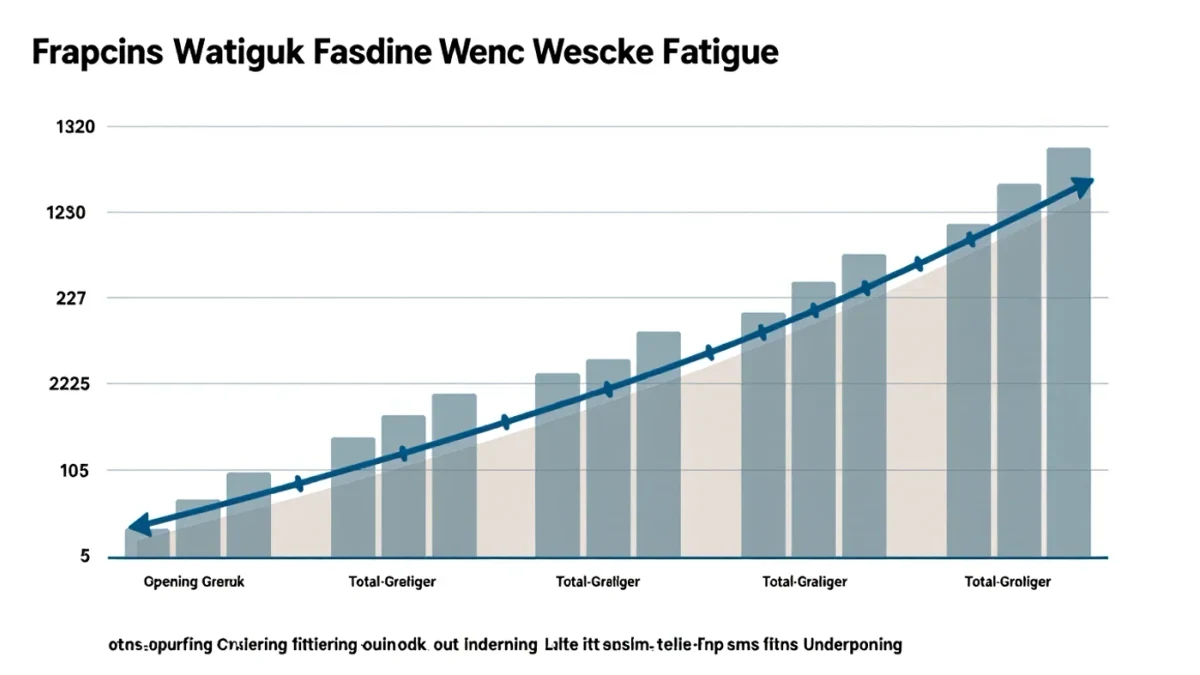
The calendar also encodes the slate's internal rhythm. Franchise installments space 18 to 36 months apart — long enough to avoid audience fatigue, short enough to keep the brand culturally warm between entries. Spinoffs fill the gaps between mainline sequels. Event films — the team-ups and crossovers — anchor the far end of the plan and give every earlier film a destination. A well-built slate reads like a portfolio with maturities: something opening every quarter, something in production always, something in development always.
How is risk staggered across the slate?
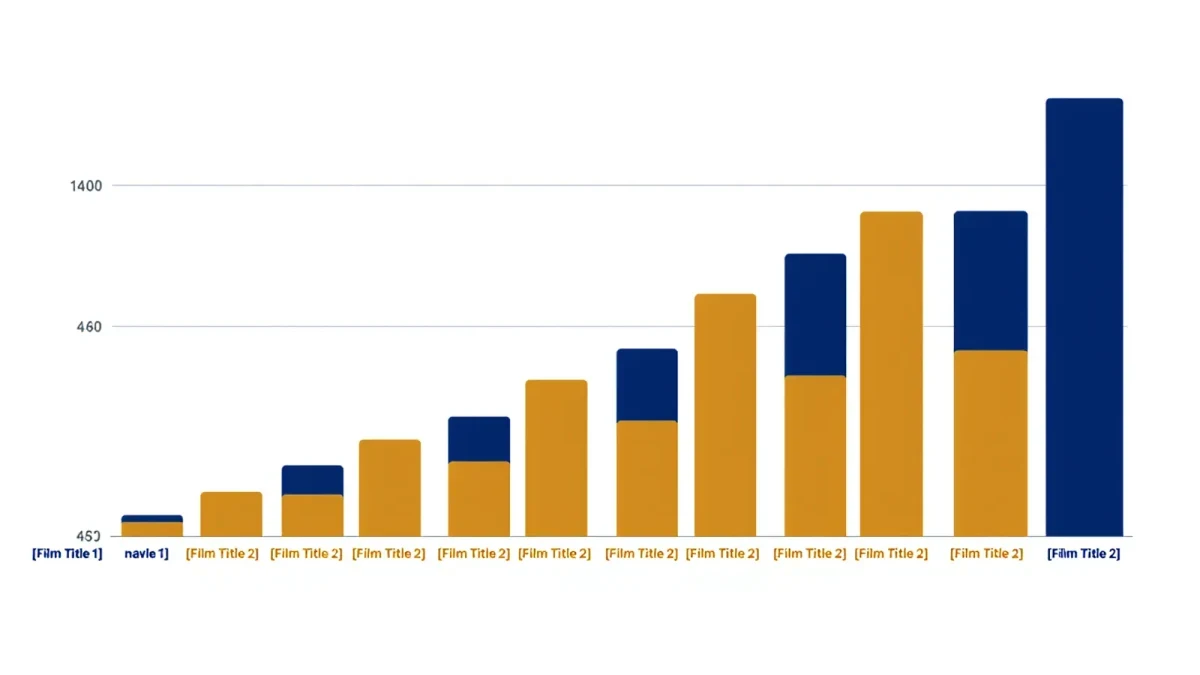
Through a ladder. The first film is the highest-variance position: full exposure, unproven demand. If it performs, the sequel converts that demonstrated demand into lower relative risk — marketing spends less to reach a known audience, and the release date is stronger. The third installment and beyond carry diminishing risk but diminishing upside growth, which is when the studio extends the franchise laterally: spinoffs, prequels, television extensions, merchandise programs. The mature franchise becomes a platform whose individual films function less as standalone bets than as maintenance of a licensing apparatus worth more than any single release.
Diversification happens across franchises, not just within them. A studio slate balances one or two mega-franchises with a bench of mid-tier properties at different lifecycle stages, so that a fading series is always being replaced by an ascending one. The failure mode is concentration: when a studio's slate leans on a single franchise family and that brand loses altitude, there is nothing behind it — the situation both Marvel and DC spent the mid-2020s re-engineering their slates to avoid repeating.
What breaks a slate plan?
The same events that break any supply chain: a missed delivery, a demand shock, a key supplier's exit. Production delays cascade through dated calendars. A star's availability or a director's exit can stall an installment whose sequel is already dated. Audience fatigue is the demand shock — a soft entry doesn't just lose money, it devalues every contracted downstream installment. And the correction mechanism is expensive: slates get rebuilt by pushing event films further out, rebooting properties mid-architecture, or absorbing the cost of abandoned development. When a studio publicly re-dates a franchise's centerpiece — as Marvel did in moving Avengers: Doomsday to December 2026 — the move is the visible tip of a full re-sequencing of contracts, corridors and production slots beneath it.
Five years, then, is the minimum unit of franchise time: one to acquire and develop, one to produce the first film, one to release it and produce the second, two more to learn whether the ladder holds. The studios that do it well make it look like an unbroken run of hits. The plan underneath is closer to portfolio management — serial, contracted, hedged, and always one delivery away from rescheduling everything.
How do spinoffs and television extensions fit the plan?
Lateral extension is the mature franchise's growth strategy. Once a mainline series holds a predictable audience, the studio increases total franchise revenue not by raising the frequency of sequels — which accelerates fatigue — but by widening the product line: spinoffs centered on supporting characters, prequels exploring origin mythology, and television or streaming series that keep the brand culturally warm between film installments. Each extension is itself a slate decision with its own lifecycle. The streaming series is additionally an audience-renewal instrument, introducing the property to viewers too young for the films and priming them for the next theatrical event — the function the animated interstitial series served for the biggest franchise universes of the era.
The failure mode of lateral extension is dilution. Extensions multiply the brand's touchpoints faster than its quality control can cover, and each weak entry taxes the whole property's credibility. Well-run franchise management therefore rations extensions, killing weak ones quickly — the visible cancellations that trade coverage treats as failures are often the portfolio working as designed, pruning positions that no longer clear their cost of capital.
How is a slate's success actually measured?
Not by individual film profits alone. The slate-level metrics are market share, franchise value trajectory and library appreciation — the last of which compounds longest, since a franchise's library licenses and re-licenses across every future platform cycle. A film that breaks even theatrically but establishes a property with sequel, spinoff and licensing potential is a slate success; a profitable one-off with no extension path is a missed compounding opportunity. This is why studios tolerate individual entries that underperform their budgets while protecting the underlying IP aggressively — trademark litigation, canon management, continuity control. The slate is the asset; the films are its maintenance and its yield. Reading studio behavior through that lens explains most decisions that look baffling at the single-film level, from protective release-date wars to the patience extended to underperforming franchises whose brands still test well with renewal audiences.