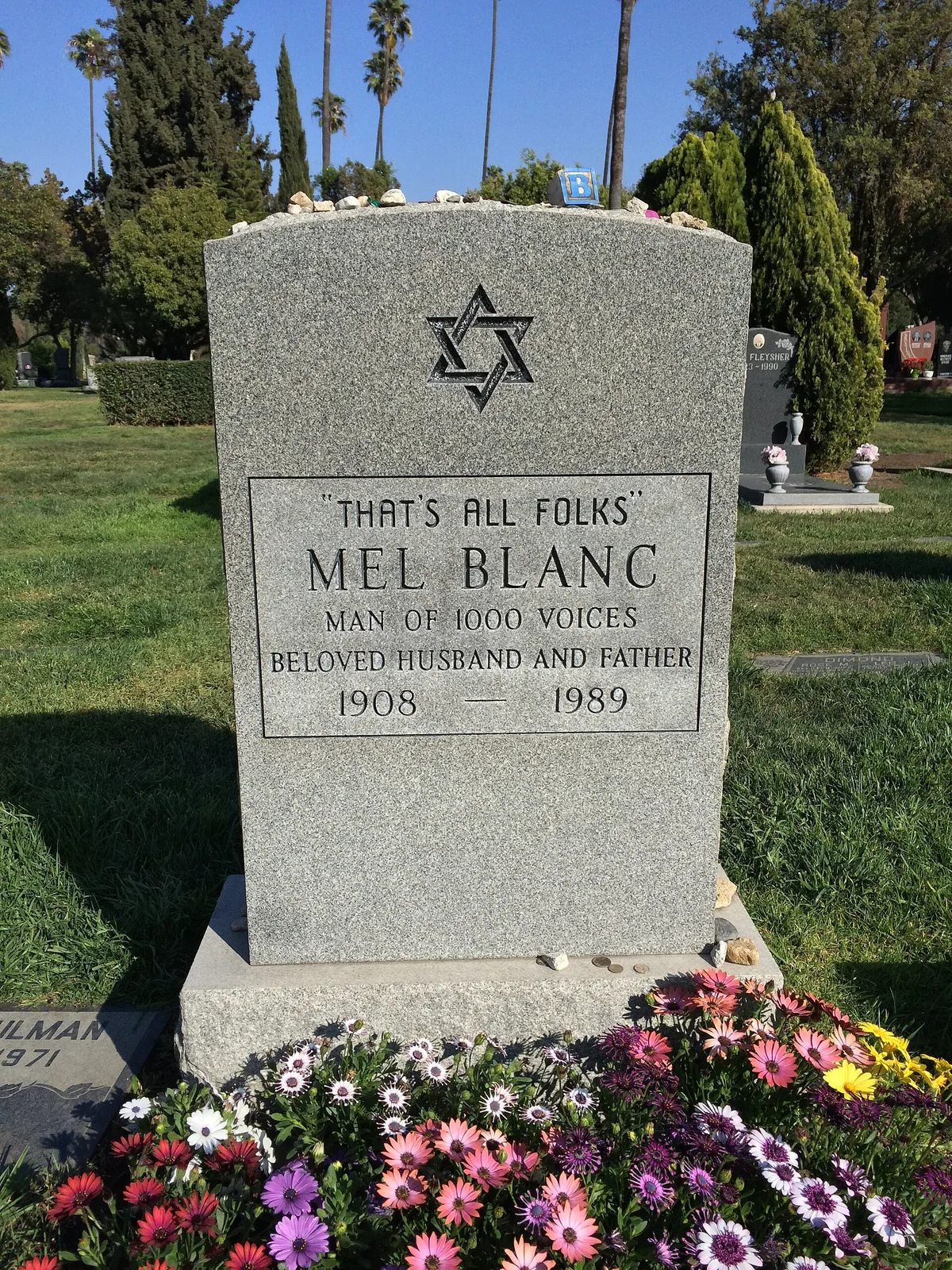
The "Hollywood graveyard" visitors search for is Hollywood Forever Cemetery, and it sits in the middle of the district it is named for, a working cemetery and a de facto film-history site in one. Its grounds hold the crypts of performers including Rudolph Valentino, Douglas Fairbanks, and Tyrone Power, per Britannica's entry on Hollywood as a district. It is also an active burial ground, which shapes every rule of visiting it.
That dual identity is the whole point of a visit done well. The cemetery is a place where the movie industry's first century is legible in stone, close enough to Hollywood Boulevard to walk from the tourist corridor. It rewards preparation: a rough plan of whose graves matter to you, an hour or two of quiet time, and the etiquette of a place where mourners and film fans share the same paths. This connects to our earlier piece, How to Move to LA and Break Into the Entertainment Industry Without Going Broke First.
For readers new to the area, our Hollywood hub covers the district's working side; this guide covers its most permanent address.
What is the Hollywood graveyard, and where is it?
The phrase most often means Hollywood Forever Cemetery, located in the Hollywood district of Los Angeles. Britannica places Hollywood northwest of downtown Los Angeles, bounded roughly by Beverly Boulevard to the south and the foothills of the Santa Monica Mountains to the north, and lists the cemetery among the district's notable features alongside Grauman's Chinese Theatre and the Hollywood Bowl. The cemetery predates most of the studio infrastructure around it and outlasted the decline of old studio Hollywood that left the Boulevard tawdry before its late-20th-century regeneration. For related coverage, see Hollywood Release Calendar 2026: The Key Dates Shaping the Studio Slate.
The nickname "graveyard" is casual, not official. The site's proper name appears on its own signage, and using it is a small courtesy that signals you understand what kind of place you are entering. It is not a museum with ticketed exhibits. It is a cemetery that happens to hold some of the most significant graves in American film history, and the museum part is a byproduct.
Whose graves draw visitors, and why these names?
Britannica specifically names three performers whose crypts are there: Rudolph Valentino, Douglas Fairbanks, and Tyrone Power. Each represents a different era of the star system. Valentino was the silent screen's great romantic lead, whose death made him a prototype for every fan frenzy that followed. Fairbanks was a founding figure of the studio era itself, an action star and a co-founder of a major Hollywood institution. Power carried the studio-system melodrama of the 1930s and 1940s.
What this means for a visitor: the graves that anchor a visit are the ones with documented historical standing, not the ones a fan forum swears are there. Verify any specific grave against the cemetery's own records or a published source before you plan a route around it. Grave locations change as sections are developed, and secondhand lists circulate errors that no amount of repetition fixes.
How should a first-time visitor plan the trip?
Treat it like any research visit: come with a short list, not a scavenger hunt.
- Decide which two or three graves matter most to you, and confirm their locations through official or published sources rather than fan compilations.
- Go during posted public hours, and check them the day you go, because hours and access rules are the cemetery's to set and they change.
- Give yourself unstructured time. The best visits are half pilgrimage, half wander; the grounds reward reading the stones you did not come for.
- Check whether any public event is scheduled that day. Screenings and memorial gatherings change the character of the grounds, sometimes pleasantly, sometimes not for a quiet visit.
One practical note on the neighborhood: Hollywood is a walkable district but a busy one, and the cemetery's entrances sit on working streets. Plan transit and parking the way you would for any Hollywood destination, and expect the shift in atmosphere the moment you pass through the gates.
What is the etiquette at a celebrity grave site?
The rules are the rules of any cemetery, applied strictly. This is the part of the visit that matters most, because the grounds serve families with recent losses as well as film historians.
- Speak quietly. Sound carries across open lawns and along crypt corridors.
- Never sit or stand on a grave, a marker, or a crypt. Photograph from the paths.
- Do not touch memorials, rub inscriptions, or leave objects on markers unless the cemetery clearly permits offerings.
- Yield to anyone who is clearly there to mourn. A visitor's itinerary never outranks a family's grief.
- Keep groups small and voices low. Guided tours exist for a reason: a knowledgeable guide keeps a dozen people moving respectfully where twenty individuals would not.
Photography deserves its own line. Pictures from the paths are generally the accepted practice at historic cemeteries, but the operative rule is simple: if a photo requires leaving the path, leaning on a marker, or disturbing someone's visit, it is not a photo worth taking. The stones have been photographed professionally for a century; your version does not need to be intrusive to be good.
Why does the cemetery matter to film history?
Our analysis: Hollywood Forever is the rare Hollywood landmark where the industry's founding generation is physically present rather than commemorated. The Chinese Theatre has handprints; the Walk of Fame has stars; the cemetery has the people. Britannica's account of Hollywood's rise notes how quickly the district became the industry's center after 1911, when a Sunset Boulevard site became its first studio and roughly twenty companies were soon producing films in the area. The people who built that industry within a generation are buried on ten acres near the lots where they worked.
The cemetery also documents the industry's turnover. Valentino, Fairbanks, and Power span the silent era, the founding studio deals, and the mature studio system, per Britannica's list. A visitor walking the grounds reads that arc in burial dates and section layouts without a single plaque explaining it. For anyone who follows the celebrity side of the business, it is the clearest available reminder that star power is a mortal arrangement.
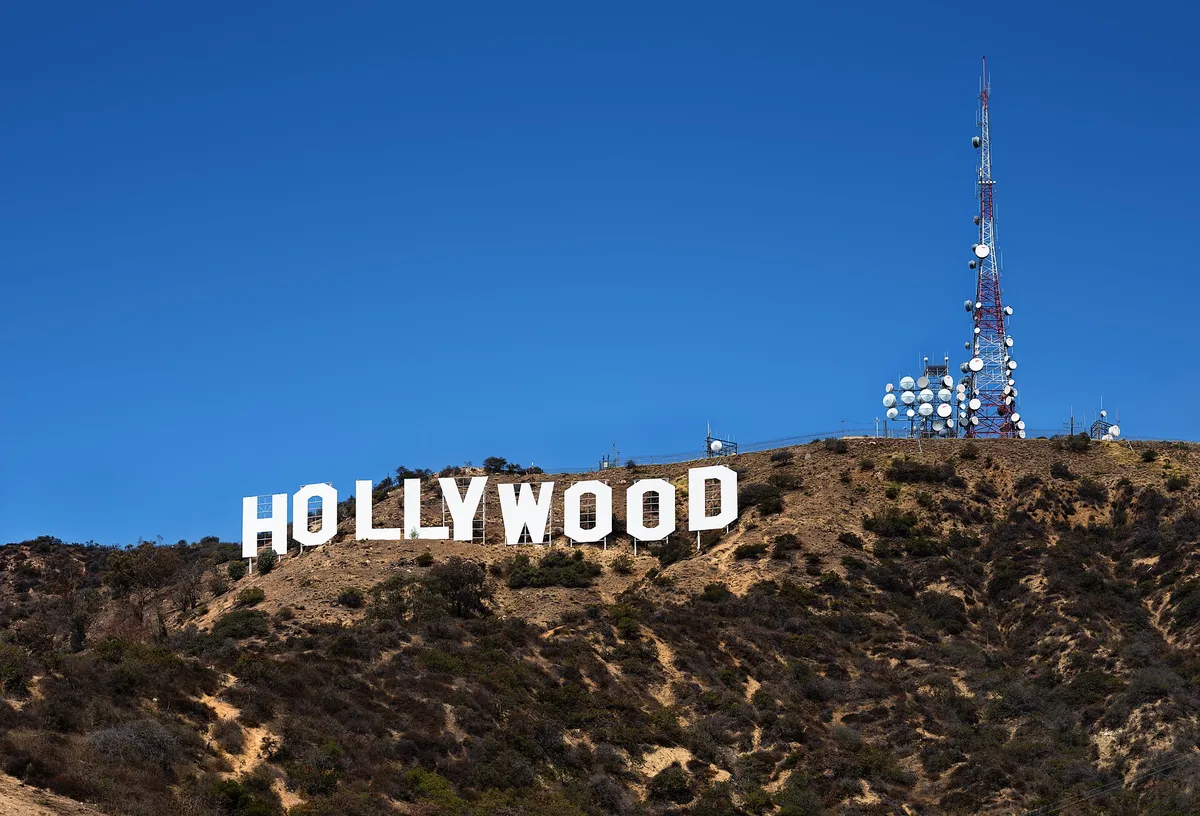
It is also a reminder of how Hollywood treats its own past. The district has repeatedly renovated its history, restoring the Egyptian Theatre in the 1990s as the American Cinematheque's home, per Britannica, and rebuilding the Hollywood sign in 1978 after decades of disrepair. The cemetery, by contrast, was never renovated into anything. It simply persisted, which is why it reads as authentic in a district that has rebuilt nearly everything else.
The takeaway for visitors
Go prepared, go quiet, and go for the history rather than the photographs. Confirm grave locations against published records, including Britannica's named burials of Valentino, Fairbanks, and Power, before you build a route. Follow cemetery etiquette without exception, because the grounds are shared with mourners. And leave time to read the stones you did not plan for; the founding century of American film is laid out there in order, and it does not need a guidebook to be legible. A respectful hour there teaches more about the studio era than most museum exhibits in town, and it costs nothing but attention.