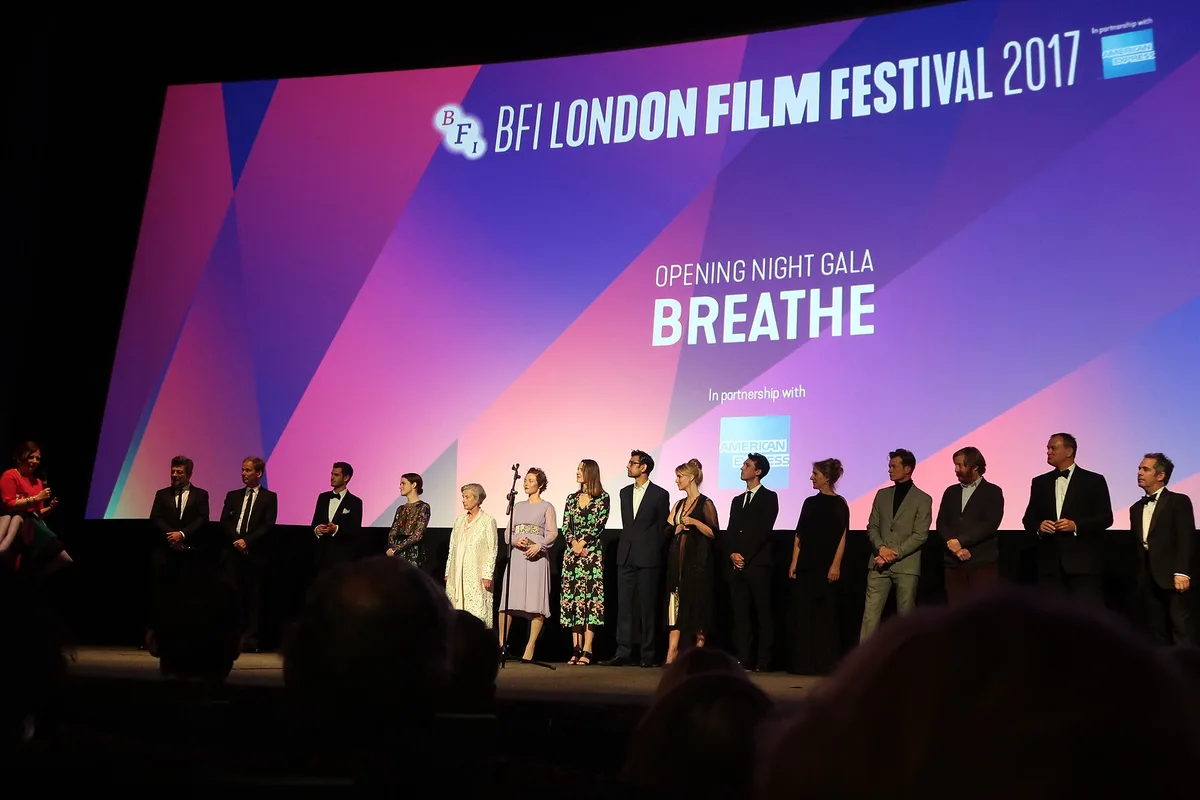
The London Film Festival has become the unofficial starter gun of awards season, at least from an international perspective. It opens Oct. 7 with the European premiere of “Elsinore,” and it runs 12 days of public screenings alongside a packed schedule of awards campaigning built for voters. If you want to read the early shape of the Oscar race, London in October is where the signals concentrate.
The practical trick is knowing what to watch. By the time the festival starts, Berlin, Cannes, Venice, Toronto and Telluride have already anointed most of the year’s buzziest films, per Variety. London’s job is different: it is where many of those films come together in one place for the first time. This year’s lineup includes “Club Kid,” “Wild Horse Nine,” “The Debut,” “Ink,” “La Bola Negra,” “Primetime” and “Tender Loving Care,” among many others.
So the checklist for a reader is short. Track which titles from the earlier festivals show up in London, watch which ones get campaign events attached, and note which filmmakers appear in the festival’s own programming. Those three signals, all visible in public schedules, tell you more than any early prediction list.
What actually happens at the festival for awards voters?
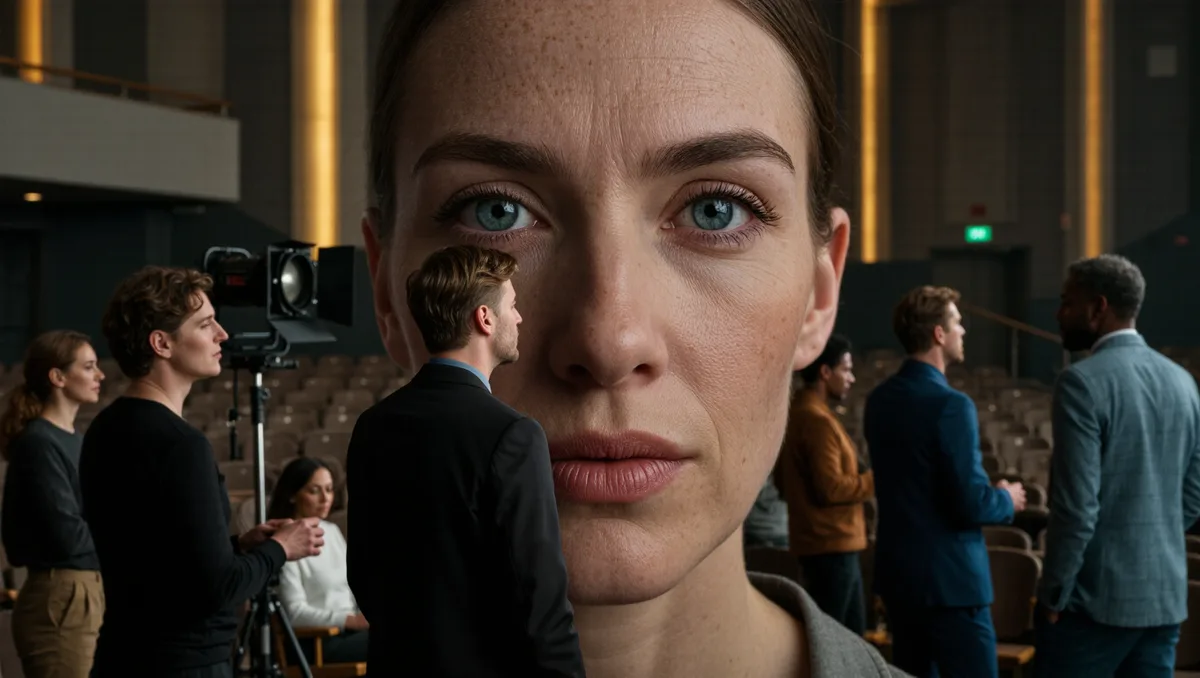
Two parallel events run at once. The public sees 12 days of screenings. Voters get something else entirely: wall-to-wall FYC screenings, tastemaker events, Q&As and cocktails. Filmmakers and stars who once turned up only for their premiere now get tightly packed, days-long schedules, ferried between events to talk about their work and pose for selfies.
For a reader, that distinction matters. A film screening publicly tells you it was selected. A film with days of voter-facing events attached tells you a campaign is behind it. Festival director Kristy Matheson treats that side activity as a signal in itself, saying it “feels like a vote of confidence” in both the festival and its selection of films.
Why does London matter so much to awards voters?
Follow the arithmetic. According to figures released last year, London has the largest concentration of Academy voters outside the U.S., with some 800 — 7% of the total — residing in the U.K. Across Europe the number more than doubles to 1,750, or 15%, with many expected to fly in for the festival. Matheson notes the U.K. is also a really important market for film releases, and that those figures are only rising as the Academy expands its global outreach.
That is the one term worth glossing for the crossover reader: FYC, or “for your consideration,” is the industry’s name for the screenings and events a campaign stages specifically to put a film in front of awards voters. London packs a dense two-week run of them into a city where many voters already live.
How do you use Screen Talks as an early awards signal?
The festival’s Screen Talks are the most readable part of its awards positioning. This year’s crop is arguably the biggest to date: Andrew Scott, Cynthia Erivo, Sophia Coppola, Javier Bardem, Brad Bird, John Malkovich, Ava DuVernay, Naomi Ackie, Danny Boyle, Robert Eggers and James Gray, each sitting down for an hour-long discussion. Several are already being touted as likely Oscar nominees. We covered a connected angle in Major Acting Awards Explained: Who Votes, Who's Eligible and What Each Trophy Means for a Career.
Matheson points out that most of them are there with a film, and that unlike standard FYC Q&As about a specific title, these talks are often more of a career conversation — something generally more preferable for talent. The takeaway for readers: a Screen Talk booking is a career-level endorsement, not a campaign event, which makes it a cleaner signal than a cocktail reception.
Does the city itself change the race?
Yes, and this is the part most coverage skips. London has long held its place as one of the world’s biggest filmmaking hubs, a status underlined with each major Hollywood tentpole that shoots there. “Avengers: Doomsday,” the film many expect may become the most successful of all time, filmed primarily at Pinewood. Matheson’s point is blunt: much of the industry either lives in the city or has worked in it at some point. “The whole world is here — it’s the epicenter of culture,” she says.
For a reader tracking the race, that means London offers something the earlier festivals cannot: filmmakers bringing their work to an audience Matheson describes as incredibly savvy, in a city where the voters, the crew and the press overlap. A reception in London is not a detour from the campaign trail. It is the trail.
What should you do with all this?
Here is the working checklist, built only on what the festival’s own structure supports:
- When the London lineup lands, cross-reference it against the films that premiered at Cannes, Venice, Toronto and Telluride. The overlap is the early awards field.
- Watch which titles accumulate voter-facing events beyond their premiere. That is where the campaign money and intent show up.
- Treat Screen Talk bookings as a career-signal shortlist, since several of this year’s names are already being touted as likely nominees.
- Remember the voter math: 800 Academy voters in the U.K., 1,750 across Europe, many flying in. A strong London reception reaches a bloc other festivals cannot.
The honest caveat is that London confirms rather than anoints. The earlier festivals pick the contenders; London concentrates them in front of a dense voter base and tells you which campaigns are serious. If you want a fuller picture of how a premiere turns into a campaign, see how festival premieres launch awards campaigns long before Oscar season starts, and how awards season really works from screeners to statuettes. The verdict, as ever, comes with a compromise: no festival stop decides anything. It just tells you, earlier than almost anything else, who is actually running. For related coverage, see How Festival Premieres Launch Awards Campaigns Long Before Oscar Season Starts.