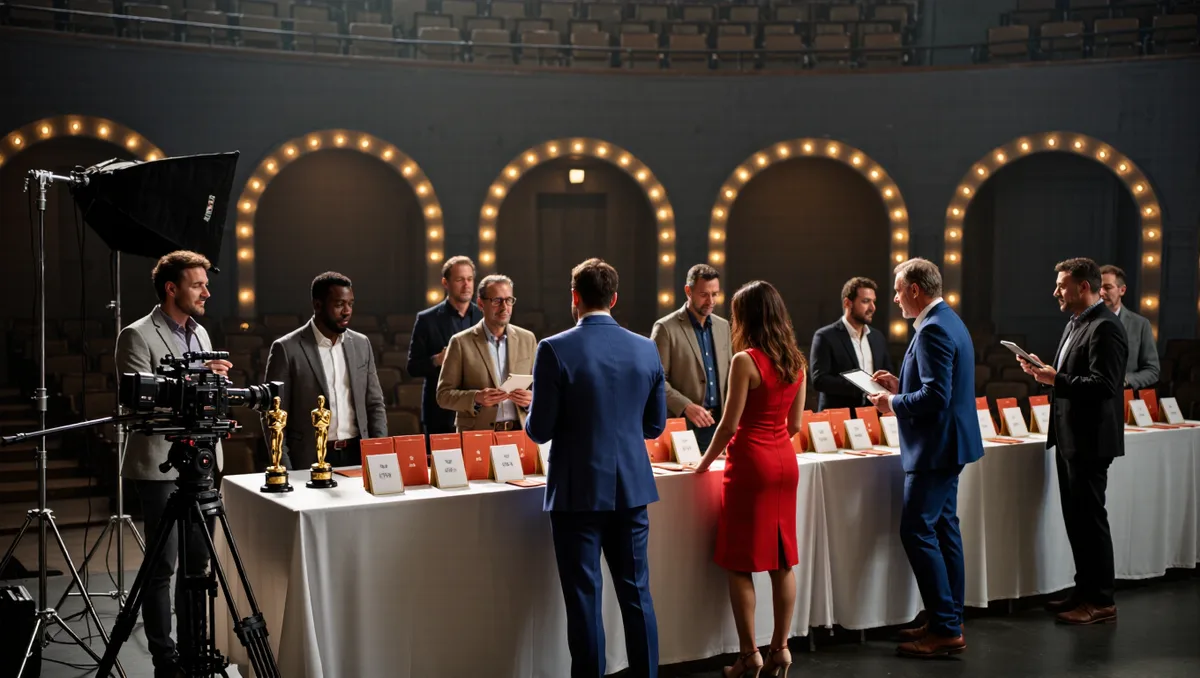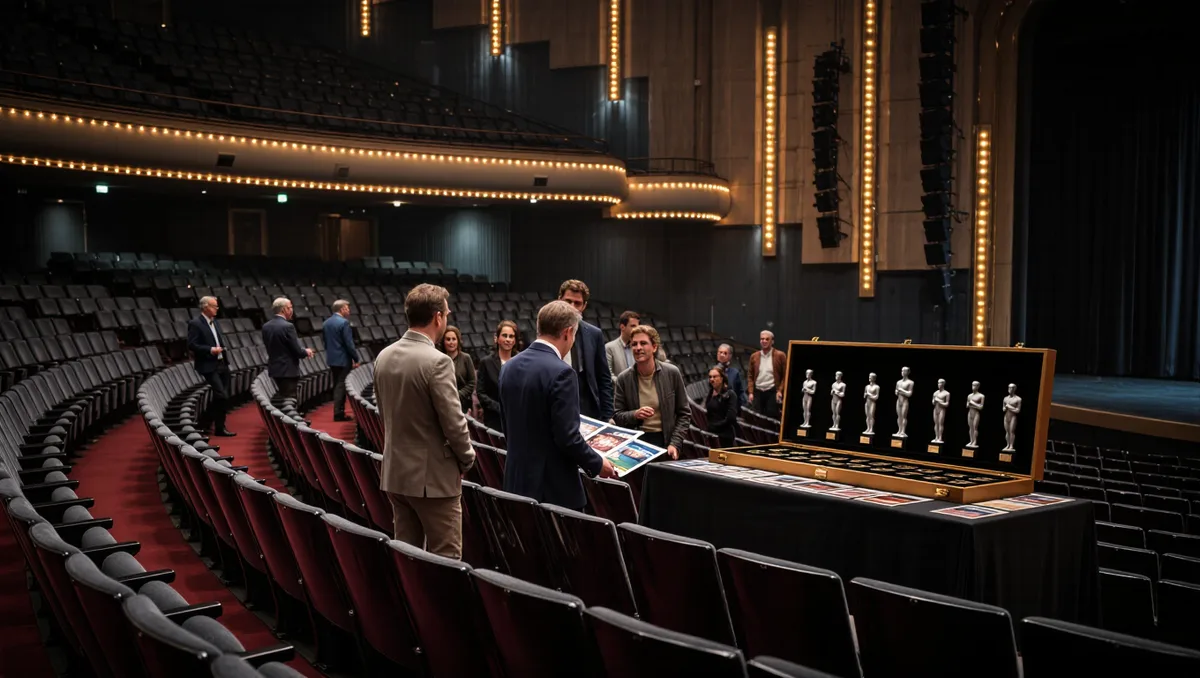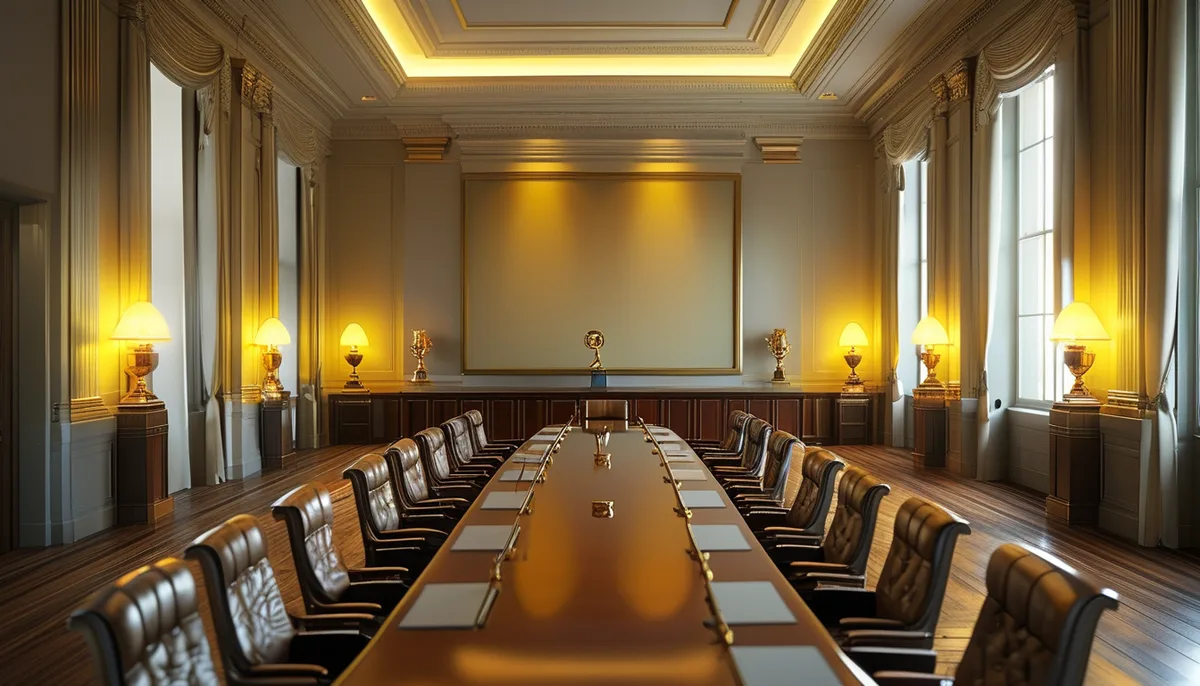
Lynette Howell Taylor will keep running the Academy of Motion Picture Arts and Sciences. The organization's Board of Governors has re-elected the Oscar-nominated producer as its president, according to the Academy's official announcement. The vote came from the governors themselves, the body that sets the Academy's direction between its annual ceremonies.
The re-election matters beyond the title. The Academy president sits at the center of every major decision the organization makes, from the shape of the Oscars telecast to the rules that govern how members vote. Continuity in the chair means the policies already in motion stay in motion.
For readers tracking the awards calendar, the practical takeaway is simple: the leadership that steered the Academy through its recent cycles will keep steering. The Awards desk will watch how that continuity shows up in the next round of rules and ceremony decisions.
What does the Academy president actually do?
The president is the Academy's chief elected officer and its most visible face. The job is not a studio job and not a government job. It is the leadership of a professional organization of filmmakers, craftspeople and executives, and the president chairs its Board of Governors.
In practice, the president helps set the agenda for the board, represents the Academy publicly, and weighs in on the decisions that shape the Oscars: eligibility questions, campaign-conduct rules, and the format of the ceremony itself. Those decisions land with real force during awards season, when a single rule change can alter a campaign's math.
The president also presides over an institution with many constituencies. The Academy's members are sorted into branches by craft, from actors to writers to the technical disciplines, and each branch has its own interests. Balancing those interests is the daily work of the office.
How was Lynette Howell Taylor re-elected?
The Board of Governors elected her, per the Academy's announcement. The governors are members chosen to represent their branches, and among their duties is selecting the organization's president. The re-election means the board chose to extend her leadership rather than turn the office over to a new figure.
That mechanism matters for understanding the result. The president is not chosen by the full membership in a popular vote. The board's vote is the gate, and a re-election is a statement of confidence from the people who see the organization's operations up close.
Why does this re-election matter for awards season?
Leadership continuity shapes the rules that campaigns play by. The Academy has spent recent years adjusting how its awards work, and the preferential ballot that decides Best Picture is the most consequential of those mechanisms. Our analysis: a president who stays in office is likelier to protect and refine the voting architecture already in place than to rebuild it mid-stream.
Readers who want the mechanics can dig into how the Academy's preferential ballot actually picks the Best Picture winner, and why that system tends to reward broad admiration over narrow passion. Those rules are exactly the kind of thing a sitting president defends or revises. We covered a connected angle in How the Academy's Preferential Ballot Actually Picks the Best Picture Winner.
There is also the audience question. The telecast's ratings have been a long-running concern for the organization, and leadership owns the response. The debate over fixes is covered in the long decline in award-show ratings and the fixes that worked. A re-elected president inherits that file with no learning curve. Readers following this should also see Award Show Ratings Trends Explained: The Long Decline And The Fixes That Worked.
Who is Lynette Howell Taylor?
She is an Oscar-nominated producer, per the Academy's announcement. Her standing in the industry comes from a producing career recognized at the highest level of the craft, which is the qualification the office has historically drawn on. The Academy's presidency has long gone to working film people rather than full-time administrators, and that tradition held here.
A producer's perspective in the chair is worth noting. Producers sit at the intersection of creative ambition and logistics, which is a fair description of the Academy's own situation: an artistic institution with a broadcast product, a membership of thousands, and an annual deadline that never moves.
The dry observation the sourced facts have earned: the board looked at the job and the incumbent, and decided the incumbent was the job.
What happens next under her leadership?
The near-term work is the cycle itself. Every Academy president steers the organization through its season of screenings, voting windows and the ceremony, and a re-election at this point signals the board's expectation that the current approach continues.
The longer-term work is structural. Membership growth, branch representation, the international reach of the awards and the health of the telecast are all standing items on any president's desk. None of those files closes with one term, and the board's vote suggests it wants the same hands on them for the stretch ahead.
For campaign strategists, the read is stability. For members, it is confirmation of direction. For viewers, the visible test arrives when the next ceremony takes shape. The rest is committee work, which is where the Academy's real decisions have always been made.