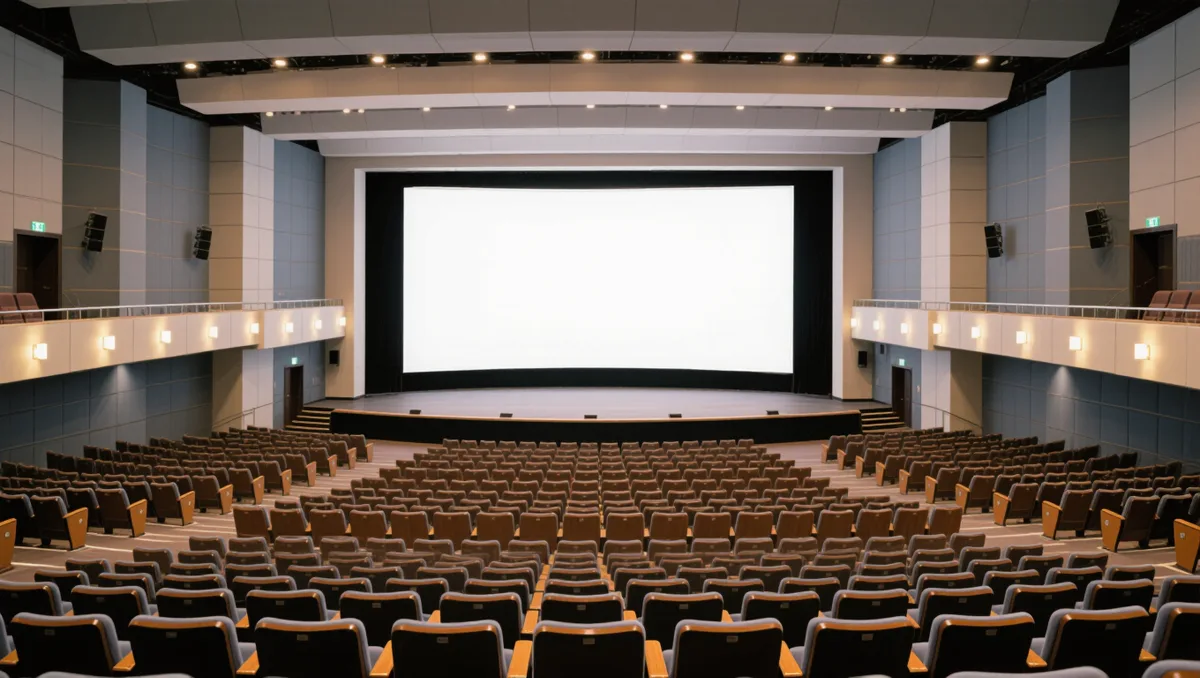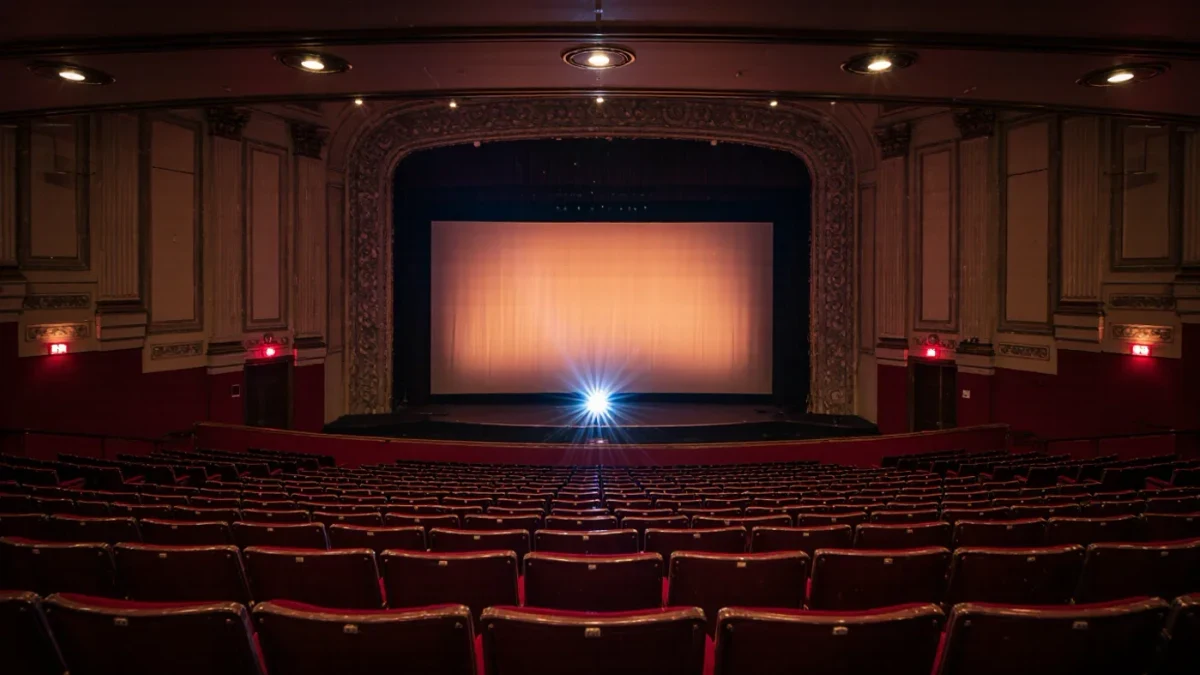
Event cinema, the practice of beaming concerts, operas, theatre and sports into movie theaters, has quietly become one of exhibition's most dependable revenue lines. The template was set by the Metropolitan Opera's Live in HD series, launched in 2006, which has since sold more than 33 million tickets across over 180 live transmissions worldwide, per the program's distributor, BY Experience. The ceiling was rewritten in October 2023, when Taylor Swift: The Eras Tour bypassed studios entirely through a direct deal with AMC Theatres, topped $100 million in advance ticket sales before release, per BBC News, and finished with roughly $261 million worldwide, the biggest gross ever for a concert film. Between those two poles sits a business that turns Tuesday nights, traditionally the deadest slot on the calendar, into premium-priced appointments.
What exactly counts as event cinema?
Event cinema, sometimes called alternative content, covers any non-traditional theatrical programming with a defined, time-limited appeal: live or recorded opera, theatre productions, concert films, documentaries screened with satellite Q&As, esports finals and one-night sports broadcasts. The common thread is that the screening is an event, not a run. Tickets are priced closer to a live venue than a movie, and the audience often treats the cinema as a venue, dressing up and arriving early.
For exhibitors, the category solves an arithmetic problem. A multiplex has fixed real estate and staffing costs whether or not anyone buys a ticket on a weeknight. Filling eight auditoriums with a Met opera broadcast, a National Theatre production and a concert film carries incremental costs that are a fraction of a standard release's, which is why chains have expanded the programming rather than treating it as a sideline.
How did opera and theatre build the model?
The Metropolitan Opera moved first at scale. Live in HD began transmitting live Saturday-afternoon performances into cinemas in December 2006, and the series grew rapidly enough that its broadcast and radio revenue climbed from roughly $5 million in 2006 to about $22 million two years later, per contemporary reporting on the program. At its mid-2010s peak, a single season sold close to 3 million cinema tickets worldwide, roughly quadrupling the Met's paying in-house audience of about 700,000.
Britain followed with National Theatre Live, launched in 2009 with a broadcast of the original production of Phedre, which proved that straight theatre, not just spectacle, could sell cinema seats on both sides of the Atlantic. The RSC, the Globe and the Bolshoi launched similar programs, and distributors such as BY Experience and Trafalgar Releasing built international satellite infrastructure to serve them.
The cultural institutions got something concrete out of it: a global audience, an archive of captured performances and a revenue stream that survived even when the stage went dark. The cinema chains got branded, repeat customers who would never otherwise enter an opera house. It was, in industry terms, incremental business on both sides.
What did Taylor Swift change about event cinema?
She changed who controls it. The Eras Tour, filmed over three August 2023 nights at SoFi Stadium in Inglewood and directed by Sam Wrench, was released on October 13, 2023 through AMC Theatres acting as its own distributor, bypassing the studio system altogether, per BBC News. The film topped $100 million in advance sales before release and opened in more than 100 countries, screening Thursdays through Sundays rather than on a standard daily schedule.
The final worldwide gross of roughly $261 million, per box office trackers, made it the highest-grossing concert film ever released, and the deal structure became the story: the artist's team retained the majority of ticket revenue, reportedly around 57 percent, while exhibitors accepted a lower-than-standard cut in exchange for traffic they would never have seen otherwise.
The demonstration effect was immediate. Beyonce released Renaissance: A Film by Beyoncé through a similar exhibitor-direct arrangement in December 2023, opening strong before settling into a more modest but profitable run. Agents and touring managers across the business began treating a theatrical capture as a standard component of a major tour, not an afterthought negotiated after the final show.
What are the economics for theater owners?
Margins, not grosses, drive the category. Event cinema tickets are priced at a premium, often in the $18-to-$25 range in the United States, per exhibitor pricing, and the content owner's costs are largely fixed: one production, beamed to thousands of screens. For a chain, a sold-out Tuesday opera broadcast can out-earn a half-empty screening of a film in week five of its run.
The programming also diversifies risk. A cinema that carries opera, theatre, concerts and esports is less exposed to a weak theatrical slate in any given quarter, a lesson the industry absorbed painfully during the thin release calendar that followed 2020. Distributors of event content reported that the category recovered faster than standard exhibition after theaters reopened, because the audiences skew older and buy further in advance.
What are the limits of the model?
The opera boomlet has cooled from its peak. Attendance for the Met's Live in HD series has softened considerably from its mid-2010s high, a trend discussed openly in industry and fan communities, and the Met has responded by launching a streaming platform for home simulcasts. That shift mirrors the broader pressure on all theatrical content: a live broadcast competes with the same performance available on demand months later.
The concert side faces a different constraint, scarcity. The Eras Tour worked because the physical tour was genuinely impossible to get into, which made the cinema the only available ticket; most tours do not generate that level of demand, and a wave of imitators discovered that a theatrical capture without a cultural event behind it plays like a very long music video.
Still, the direction of travel is clear. Exhibitors have invested in satellite and live-streaming capability as permanent infrastructure, sports bodies have experimented with cinema rights, and the concert film is now a planned revenue line in major tour budgets rather than a novelty. Event cinema began as opera's outreach program. It has become a structural part of how theaters stay lit between blockbusters.