An opening weekend number is the single most quoted figure in the film business, and it is built from narrower ingredients than it appears: Friday-through-Sunday grosses at reporting North American theaters, with Thursday previews folded into Friday. A conventional wide release opens in roughly 2,000-plus theaters, a platform release opens in a handful of houses in New York and Los Angeles, and the two produce numbers that cannot be compared at all. Opening weekend numbers explained properly means separating what the figure measures, what gets bundled into it, and what the industry deliberately leaves out.
What goes into the three-day number?
The core measurement is gross ticket revenue from Friday to Sunday. Thursday previews, evening shows that usually start between 5 p.m. and 7 p.m. before the official Friday date, are counted inside Friday's gross rather than broken out. A $15 million Thursday-preview total therefore inflates the 'opening day' that gets reported, and the practice is standard across every major studio.
Holiday weekends add a second lens. Thanksgiving and Memorial Day titles report both a three-day figure, comparable to ordinary weekends, and a four- or five-day figure that includes the holiday itself. Studios publicize whichever number is more flattering, and trade coverage typically reports both to keep comparisons honest.
Wide, limited and everything between
Release strategy determines what an opening number even means. The main patterns:
- Wide release: 2,000-plus theaters on day one, the tentpole default, where the opening weekend is close to a referendum on the marketing campaign.
- Platform release: a handful of screens in top markets, built for awards titles that expand week by week on the strength of reviews and word of mouth.
- Medium or 'semi-wide' rollouts: several hundred to roughly 1,500 theaters, common for genre films and titles with committed but narrow audiences.
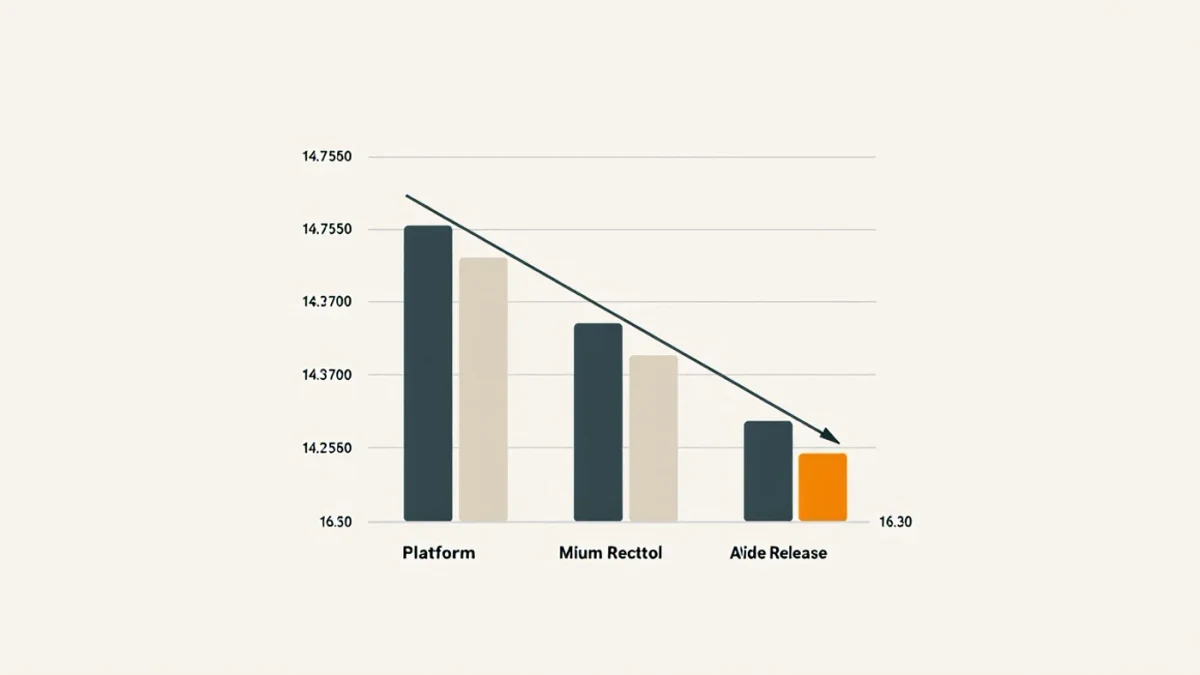
Calling a platform debut a failure because it grossed under a million dollars misreads the strategy. A strong platform per-theater average signals demand that justifies expansion. Conversely, a wide release with a weak per-theater average is a genuine warning, because it means the film was placed everywhere and audiences did not come.
The per-theater average, the honest metric
Because raw totals reward sheer theater counts, the per-theater average is the industry's equalizer. Divide the gross by the number of locations and you get a rough measure of demand per screen. Averaging $25,000-plus per theater in wide release is elite tentpole territory; averaging a few thousand dollars across 3,000 theaters means the campaign reached everyone and converted almost no one.
Analysts also watch the location count itself as a statement of confidence. Distributors contract theater counts weeks in advance, and a wide release that shrinks to fewer locations than expected is quietly telling you the studio's own projections softened.
What doesn't count
Several things sit outside the headline number. Preview grosses from earlier screenings, where a distributor sneaks a film a week ahead, are reported separately from the official opening. International grosses are excluded from domestic weekend coverage entirely. Streaming debuts, obviously, generate no reported theatrical gross at all, which is why direct-to-streaming titles have no opening weekend in any chart.
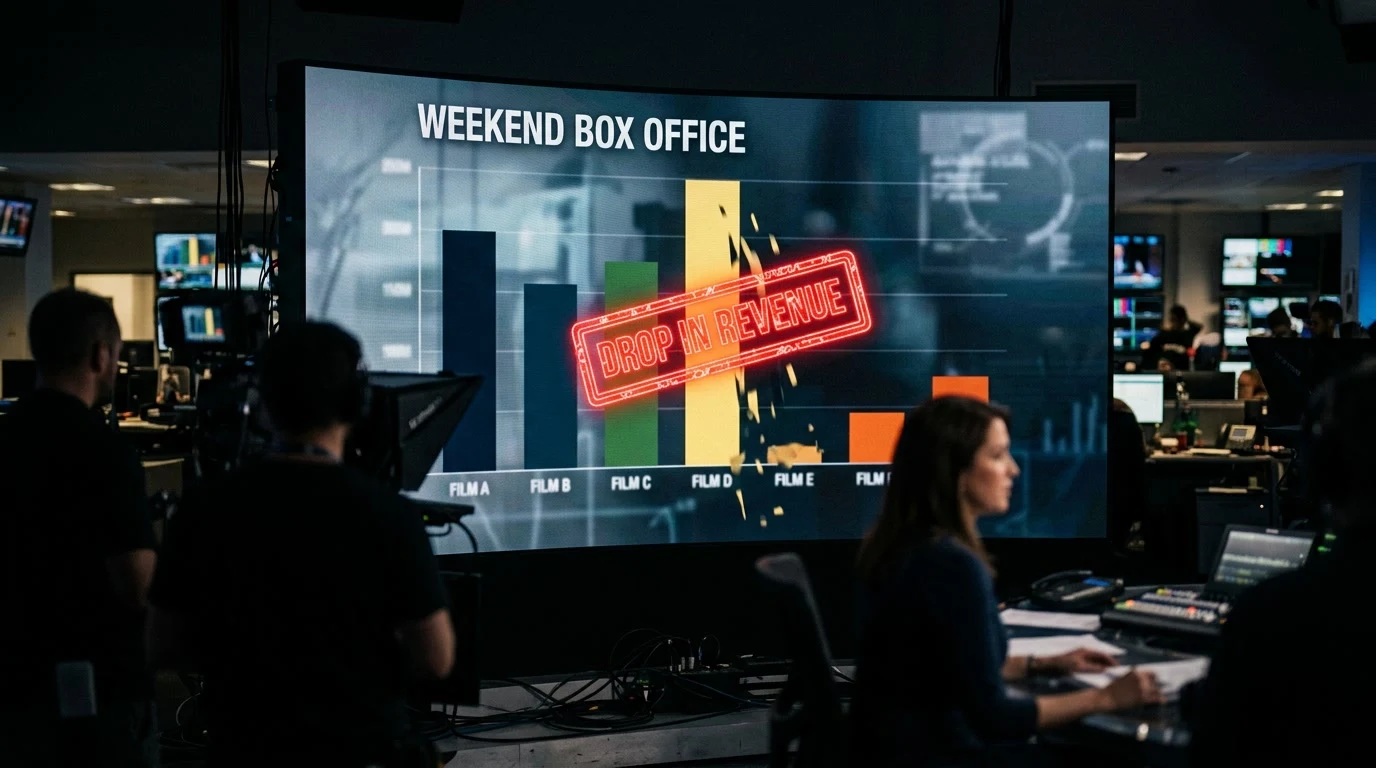
The number also excludes the context that determines profitability. A $40 million opening for a $20 million horror film is a triumph; the same opening for a $250 million spectacle is a write-down in progress. Opening weekend is a measure of marketing velocity, not of a film's financial fate, which is settled by the drop that follows.
Why the second weekend matters more
The opening measures curiosity. The second weekend measures satisfaction. Sophisticated drop analysis compares weekend two to weekend one, and the folklore of the business assigns rough grades: horror films routinely fall 60 percent or more, well-received tentpoles hold to drops in the 40s or below, and the rare film that drops less than 30 percent is demonstrating the kind of word of mouth that produces leggy multi-hundred-million runs.
Multipliers, total gross divided by opening weekend, are the retrospective version of the same question. A final domestic multiple around 2.5x to 3x the opening is ordinary; a leggy breakout that reaches 4x or beyond is the pattern behind the biggest surprise hits in modern box office history. None of that shows up on Sunday night. It shows up in the month that follows, when the film either holds screens or hemorrhages them.
Records, milestones and the asterisk economy
Opening records are sliced thinner every year: biggest opening for an R-rated horror film in March, biggest for a director's second feature, biggest post-holiday weekend of a specific month. The slicing exists because records generate coverage, and coverage is free marketing. The underlying comparisons are real, but they compare across eras with different ticket prices, different theater counts and different preview structures. The honest way to read an opening weekend is as one data point about one campaign, on one weekend, against whatever else the calendar put in its way.
How premium formats reshape the opening
Format mix has become a decisive part of opening arithmetic. Large-format and motion-seat screens carry meaningful surcharges over standard tickets, and tentpoles now open with a substantial share of grosses from those screens. The consequences cut both ways: a film skewed toward premium formats posts a bigger opening gross per admission, but it also concentrates demand in a limited number of auditoriums that sell out quickly, capping how much the opening can scale. Distributors negotiate format allotments weeks ahead, and the number of premium screens a film secures is treated internally as a forecast of its own performance.
Re-releases muddy the record further. A returning title reports its new grosses alongside its original cumulative total, and outlets differ on whether anniversary runs count toward a film's lifetime ranking. The conventions are inconsistent by design, because every version of the comparison flatters a different record holder. The opening weekend, for all its definitional quirks, remains the cleanest number in the system, if only because it is the one everyone agrees to measure the same way.
The definitional fine print is worth the attention. Before comparing any two opening numbers, confirm the window, the theater count, the preview treatment and the format mix. Four questions, answered in under a minute, separate an honest comparison from a headline built to flatter one film over another.