Every few weeks, social media crowns a new double of a famous face. The photos spread, the comments cheer, and the resemblance becomes a small piece of fame. The habit is old, even if the hashtags are new. People have always been drawn to faces that echo other faces.
Here is what is behind that pull, from lab findings to stage acts.
The Science of Shared Faces
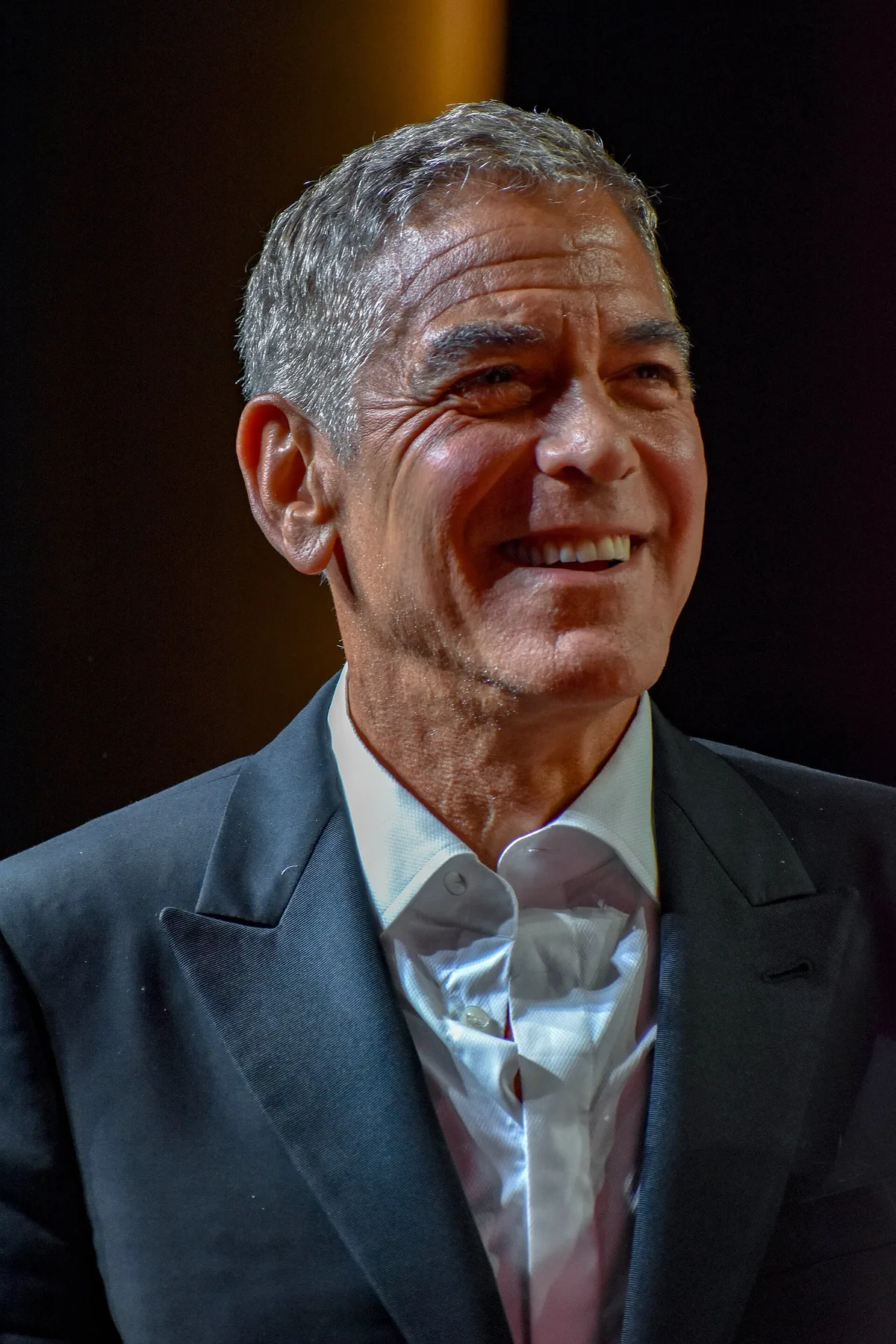
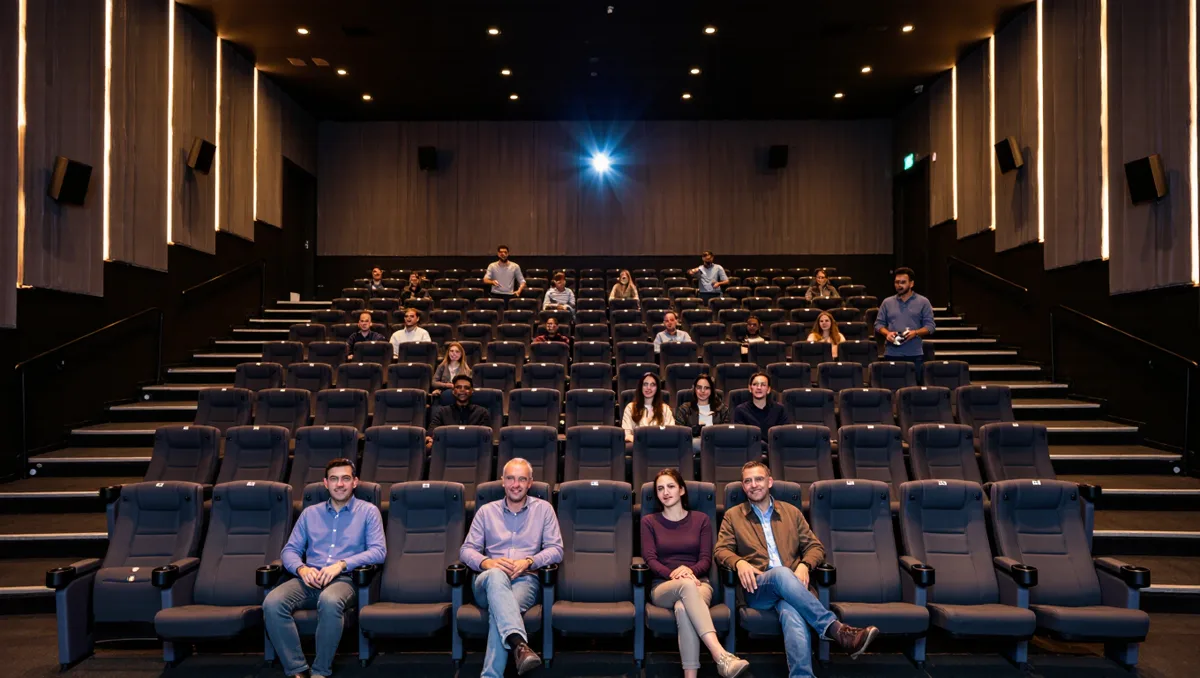
A look-alike, or double, is a person who bears a strong physical resemblance to another person, apart from twins and other family resemblance. Science has started to explain the sparkle. A 2022 paper in the journal Cell Reports found that look-alikes share many common genetic variations, and that they are more likely than others to share traits beyond the face.
The internet speeds the matching. Photo sites now invite users to upload a picture and let facial-recognition software hunt for a stranger with the same face. Some report many matches found. Twin-stranger stories also raise privacy questions, since a face is the easiest thing to copy and the hardest to change. Since 2000, photographer François Brunelle has documented look-alikes around the world, turning coincidence into a portrait project.
Doubles on Stage and Screen
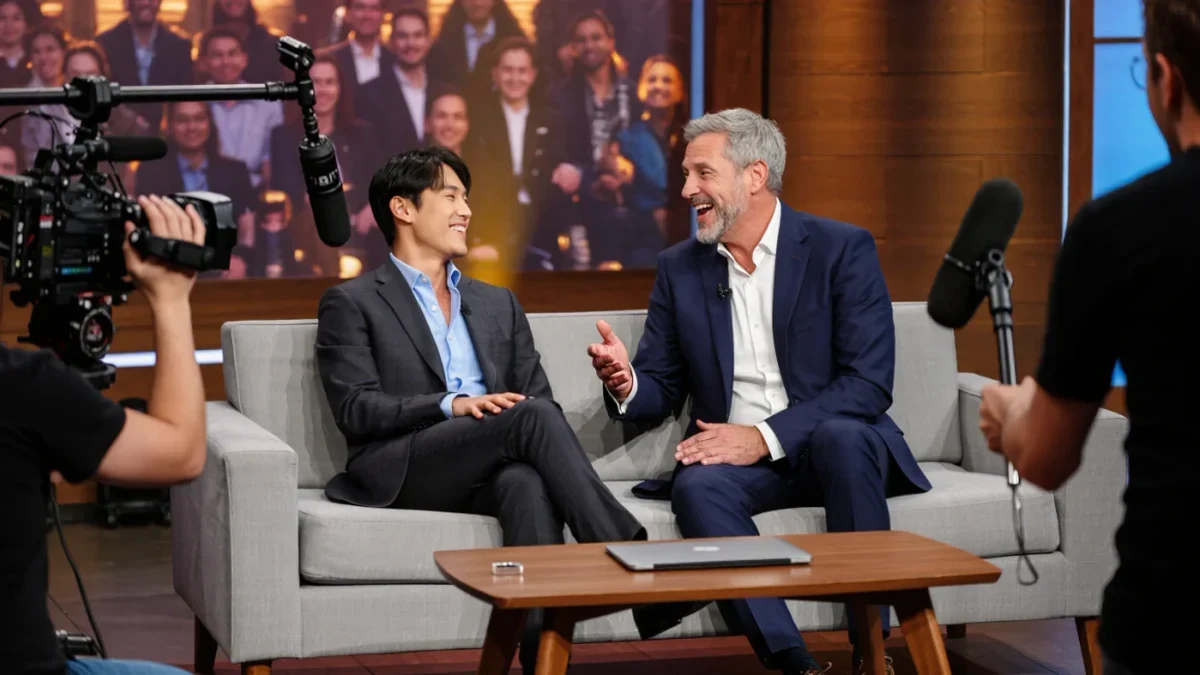
Resemblance can be a job. Some look-alikes have worked as entertainers, impersonating stars on stage, on screen, or at parties and corporate events. Professional doubles have often been represented by talent agencies that specialize in celebrity impersonators. History has serious examples too. Clifton James acted as a double for British Field Marshal Bernard Montgomery during World War II. Readers following this should also see How Publicists Shape What You Read About Stars Every Week.
The stage version of this fascination has a long past. Mimicry filled music halls long before television. The craft moved to late-night TV and comedy clubs, then to online clips. Each new channel made room for new faces, but the core act stayed the same: one person studying another until the echo convinces.
Impressionists, Impersonators, and the Difference
Words matter in this corner of show business. An impressionist is a performer whose act imitates the voices, sounds, and mannerisms of celebrities and cartoon characters. Someone who imitates one particular person, such as a lookalike, is instead called an impersonator. The impressionist builds a wide repertoire and updates it to keep pace with current events. The impersonator bets on one face. Both trades reward the same core skill: fidelity to the target.
Money follows the novelty. Agencies book doubles for parties, ads, and events. Some doubles build steady careers on one resemblance. Others use the attention as a doorway into comedy or hosting. The line between a hobby and a job is thin, and it runs through one good booking.
Why Fans Love the Resemblance
A lookalike makes fame feel close and strange at once. The face is familiar, but the person is not, and the gap between them is where the fun lives. Fans get a story to tell and a photo to share. The star gets a reminder that an image can outrun its owner. Everyone involved gets a small mystery: how can two strangers share a face? This connects to our earlier piece, Star-Owned Production Companies and What They Actually Do.
Caution belongs here too. A resemblance is not permission. Impersonators work because venues pay them, and because the act is understood as an act. Online, the same rules apply. Post your own face, not a stranger’s, and label the gag clearly when the joke depends on a famous name.
Conclusion: A Face Is a Story We Recognize
Lookalike culture thrives because it sits where chance meets recognition. Genes deal the cards, software finds the matches, and performers turn resemblance into craft. The next viral double will arrive soon, as they always do. Enjoy the photos, and remember that behind the novelty sits a real quirk of human faces, and a long show-business tradition of borrowing one.