A theatrical trailer runs, by industry agreement, no longer than two minutes — a cap set in 2014 by the studios and the major exhibitors' trade body, with longer cuts allowed only by theater consent. Within that window, a marketing team must sell tone, stars, premise and release date, while spoiling as little as the internet will permit. The trailer drop has become a scheduled media event of its own, with its own leaks, exclusives and backlash cycles.
What are the moving parts of a trailer?
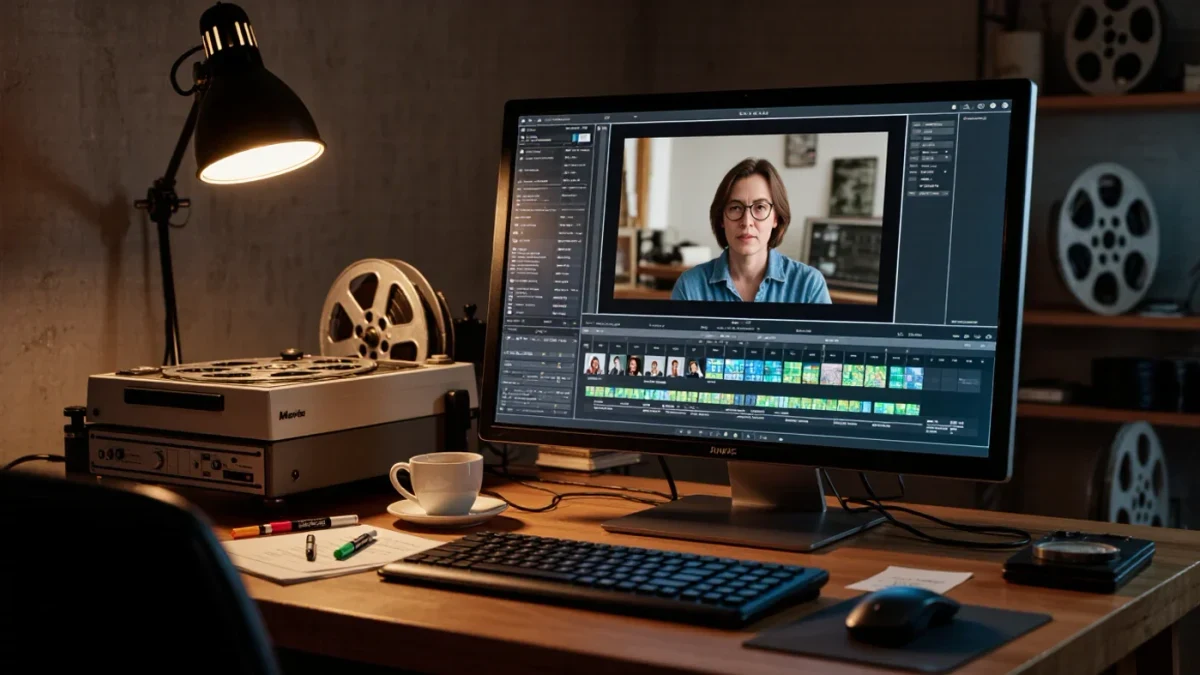
Structure is surprisingly stable across genres. A studio logo cold-open; a premise hook in the first twenty seconds; a title card or dialogue beat that names the stakes; escalating montage; music drop or silence beat;money shots; title reveal; release date; a button — a final joke or scare after the title. Editors work from the finished film or from dailies, and the choice of what anchors the sell — star, concept, director, IP — is the entire strategy compressed into sequencing.
Music is half the craft. Trailer houses license or commission tracks built for escalation, and the vocabulary is so codified that audiences recognize it instantly: the slowed-down cover of a familiar song, the rising synth pulse, the percussive hit synced to a cut, the abrupt silence before the last scare. These are tools, not cliches, until everyone uses them in the same quarter.
How does a trailer drop actually roll out?
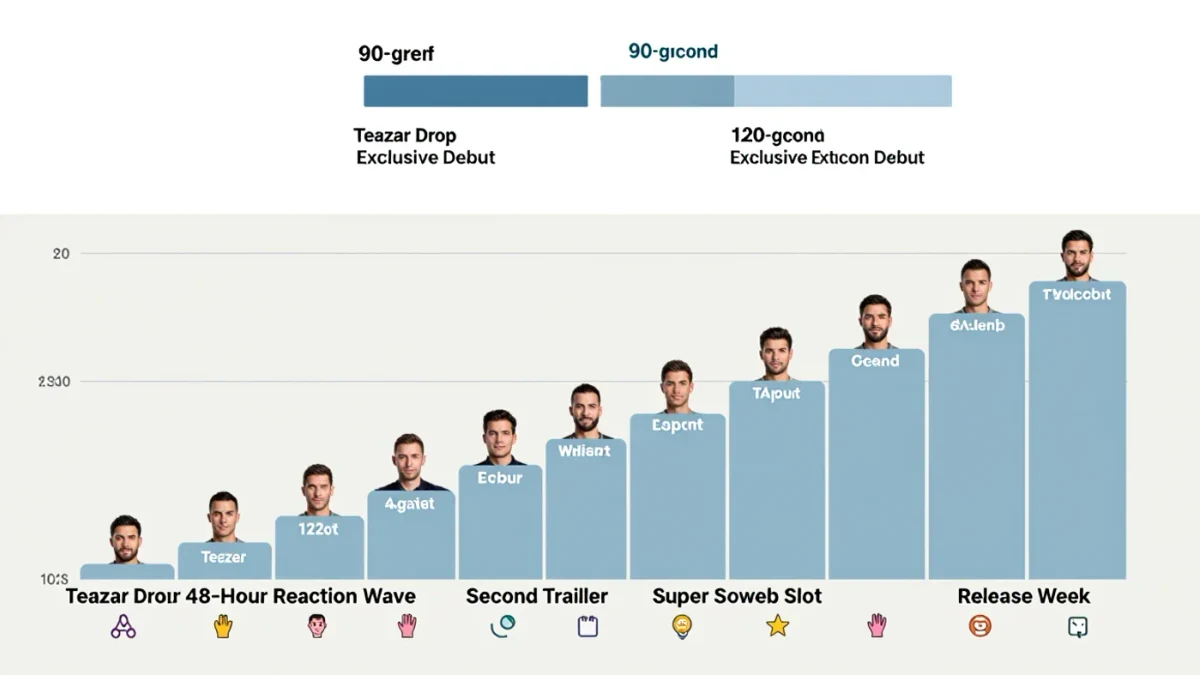
The word is literal: an exclusive debut with a major outlet or platform, timed to a cultural moment — a Super Bowl slot for the biggest titles, a panel debut for fan-driven franchises, a morning drop timed for East Coast media cycles. Within hours the cut is syndicated across the studio's channels, clipped by fan accounts, frame-counted by dedicated trailer-analysis channels, and dissected for spoilers. First-day view counts become the trade press's first box office indicator, imperfect but watched.
Platform strategy split the discipline. A trailer cut for theatrical release is graded and mixed for a 40-foot screen and Atmos; the same cut on a phone feed, autoplaying silently, must work as captioned motion. Studios now commission vertical and six-second variants as a matter of course, and some campaigns build the entire first wave around short-form rather than the two-minute cut.
Why do trailers spoil so much?
Because research keeps telling marketers that familiarity sells tickets. Testing consistently shows audiences more likely to attend when they feel they understand the plot, and comedy campaigns in particular compress a film's best jokes into the sell. The backlash economy — reaction channels, "trailers ruined it" discourse — has pushed studios toward teaser-first strategies and spoiler-light second cuts for genre titles. Cloverfield and the decade of mystery-box campaigns that followed it proved withholding could itself be the hook; the steady stream of films whose marketing showed the ending proves how much nerve that takes.
Who actually makes trailers?
Mostly specialist vendors: a handful of Los Angeles trailer houses compete for studio work, cutting multiple versions that survive internal testing and executive review. A finished campaign consumes dozens of cuts across teasers, trailers, spots and international versions, each tested with recruited audiences in mall screening rooms. The two-minute constraint and the testing machinery together explain the format's sameness — the variables that differentiate a cut are the ones data cannot measure, which is where the good vendors earn their fees.
What makes a trailer cut work?
The best ones establish rhythm rather than plot. The opening beat of Inception's campaign, built on a single slowed musical motif and escalating imagery, sold a feeling — scale, dread, ambition — while explaining almost nothing. The first Joker teaser framed character over spectacle. Against these, the assembly-line cut dumps every effect in release order. Audiences distinguish them instantly, even if the trade's metrics still reward familiarity. Two minutes is long enough to tell a story; the question every drop answers is whose.
How did the two-minute rule come about?
Trailer bloat provoked it. By the early 2010s, studios were regularly shipping trailers well beyond two and a half minutes, and exhibitors — paying for screen time with real limits — pushed back through their trade organization. The 2014 agreement capped trailers at two minutes and restricted how far in advance of release they could play. Marketing departments adapted by moving exposition into teasers, featurettes and the endless ancillary content of the campaign cycle rather than shortening the sell.
What is a teaser, exactly?
A teaser is a trailer released months earlier with less obligation to explain anything. Historically a gimmick for big franchise films — the phrase dates to decades of franchise-first selling — the teaser now functions as a tone declaration: one image system, one musical idea, a release year, nothing else. The best teasers are remembered longer than the full trailers that followed them, because a single idea survives compression better than a plot does.
How do campaigns handle bad first reactions?
Recuts. A trailer that misfires — wrong tone, an unflattering effects shot, a fan backlash — is re-edited for the next drop, and the campaign narrative quietly resets. Digital distribution made this possible: no physical prints to recall, no locked schedule. The audience has learned to read the correction pattern, and trade coverage now treats a noticeably safer second trailer as data about production troubles. Marketing is iterative, and everyone watches the iterations.
Do trailers still matter at the theater?
Less than they did, more than the discourse admits. Most viewing happens on platforms the studio does not control, but the on-screen pre-show remains the one place a captive, ticket-buying audience meets every upcoming title from that distributor — which is exactly why exhibitors negotiated limits on it. The trailer did not shrink from two minutes of running time; it fragmented into a campaign of drops, cuts and reaction cycles around those two minutes.
Every element of the drop — outlet, hour, runtime, spoiler level — is a decision someone defended in a meeting. The two-minute cut compresses a year of production into a single argument about what the film is.