Voice acting in franchise animation is two careers wearing one job title. The first belongs to movie stars who record a handful of sessions for an animated feature and collect a premium quote. The second belongs to working voice actors who carry the spin-off series, the streaming continuations and the video-game offshoots, at union scale or modest session rates, across hundreds of episodes. Understanding the split is the beginning of understanding the business.
How did celebrity voice casting take over animated features?
Animated features discovered star voices as a marketing tool decades ago, and the practice hardened into a default. A recognizable voice gives the trailer a hook, gives the talk-show circuit an interview subject and gives international distributors a local star to cast in dubbed versions. The result is a feature-animation economy in which principal animal and character roles are routinely stunt-cast with live-action stars.
The economics justify the fees. Animated franchises rank among the highest-grossing film series in history, and a star voice is a comparatively cheap input against a marketing budget that runs nine figures globally for the biggest releases. Studios pay for the press tour as much as the performance.
What does the work actually involve?
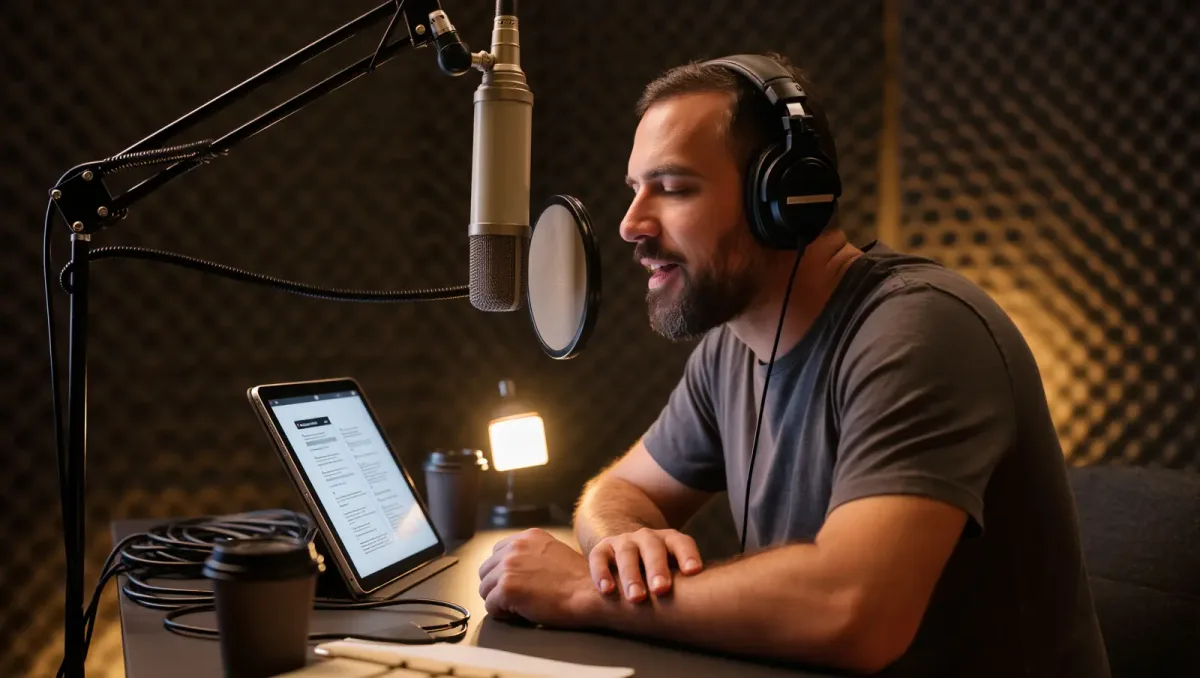
Less glamour than the poster implies. Feature voice work is recorded alone, in isolated sessions over weeks or months, often before animation exists, so the performer acts to storyboards and director description. Sessions run a few hours at a time, with material delivered in multiple reads. Because production is incremental, actors are called back repeatedly for additional lines, alternate takes and, notoriously, publicity-driven script changes.
Television animation is faster and harsher. Ensemble table reads happen together, but individual pickups are recorded separately, and a series regular can voice several characters per episode, which is efficient for producers and skill-defining for performers. The working voice actor's core asset is range: the ability to sustain multiple distinct, strain-free voices across long recording days.
What are the pay scales?
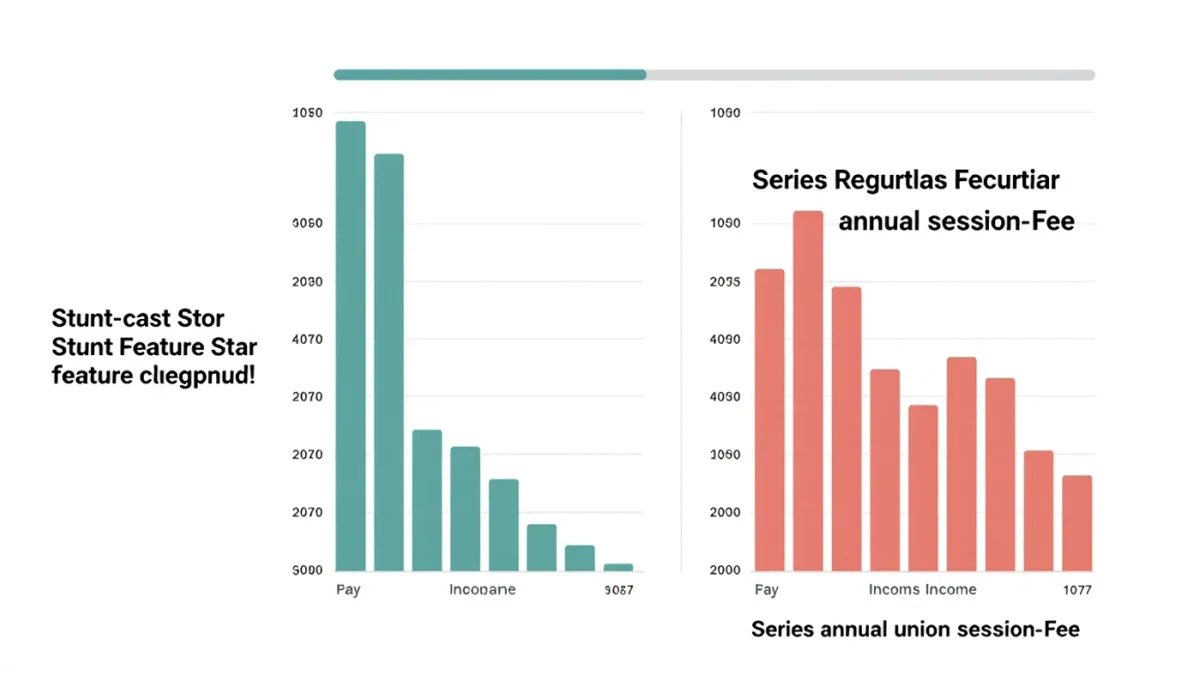
Union voice work falls under SAG-AFTRA contracts, and the baseline is the session fee. Animation performers have historically been paid per session, with residuals structures that differ significantly from on-camera work, a gap the union has targeted in negotiation cycles as animation revenue ballooned. For a working television animation actor, scale plus residuals constitutes a solid middle-class career, not stardom.
At the feature level, star quotes run far above scale, into seven figures for franchise leads. But the star and the working actor rarely compete for the same job: studios stunt-cast principals and cast professional voice actors everywhere else, including the series that extend the franchise between films. The series spin-off economy is where working voice actors actually live.
What does a career blueprint look like?
The reliable path runs through commercial voice work, dubbing, video games and smaller animation roles, building a demo reel and director relationships. Voice acting is a small, reputation-driven community; casting directors reuse performers they trust, and the union's animation contracting is concentrated among a handful of shows and studios. A career typically compounds quietly: one recurring character leads to another, and twenty years later the performer has voiced dozens of characters across franchises that households know by name.
The skill set is specific. Breath support and vocal endurance, sight-reading, improvisation within character, and the discipline to perform identically across sessions recorded months apart, the so-called voice match, which matters when pickups must blend with year-old tracks. Actors who damage their voices through strain shorten their careers; vocal health is occupational safety in this field.
How do franchises sustain careers between films?
Franchises are ecosystems. A theatrical feature spawns streaming series, shorts, holiday specials and games, and each layer needs voices. The film's stars rarely service the spin-offs, which means the franchise's ongoing life is carried by professional voice actors who voice-match where necessary and originate new characters elsewhere. This is why a single successful franchise can employ a stable of performers for a decade.
Streaming demand multiplied the ecosystem. Platform libraries consume animation volume, and long-running series orders mean recurring roles with multi-year contracts. The downside is the same as live-action television: exclusivity and scheduling captivity, at rates well below on-camera equivalents for comparable visibility.
Where is the leverage in the modern market?
Voice actors have organized around the residuals gap, and AI has added a new dimension: performers increasingly contract against unauthorized synthetic reuse of their voices, with union agreements establishing consent and compensation frameworks for digital replicas. For a career whose entire asset is the voice, that protection is existential, and performers now negotiate digital-rights language into contracts the way screen actors negotiate likeness clauses.
The other leverage point is ownership. Voice actors who create original characters, develop series formats or move into voice direction capture more of the value they generate. The blueprint's final rung is the same as everywhere else in Hollywood: labor becomes leverage when it controls material.
For newcomers, the practical summary is sober and encouraging at once. The celebrity feature voice business will keep hiring movie stars. The franchise animation career, the durable one with decades of work in it, belongs to the trained, durable, range-heavy performer who shows up on time and sounds the same in March as in October.
How do you break in without connections?
The traditional entry points remain commercial work, dubbing, audio dramas and video games, each of which trains a specific muscle while building a demo reel. Casting directors for animation listen for acting first and novelty second, so the demo that books work demonstrates range within characters rather than a gallery of cartoon voices. Regional markets and games have historically been friendlier entry doors than Los Angeles animation, and many series regulars built their reels elsewhere before relocating.
Training is available and taken seriously. Workshops run by working animation directors function as extended auditions, and the community's small size means a good workshop performance travels by word of mouth quickly. Persistence matters more than in on-camera work, because the turnover in casting is slower: a performer who becomes known to two or three casting offices has materially changed a career's trajectory, even if the first series role takes five years to arrive.