Los Angeles is one of the few cities where the sets are real. Buildings that carry famous scenes still stand open to the public, and two of them carry more screen history than most backlots. Both are free to enter. Both are easy to reach.
Here is what each one is, where it is, and why directors keep coming back.
Griffith Observatory: The City’s Balcony
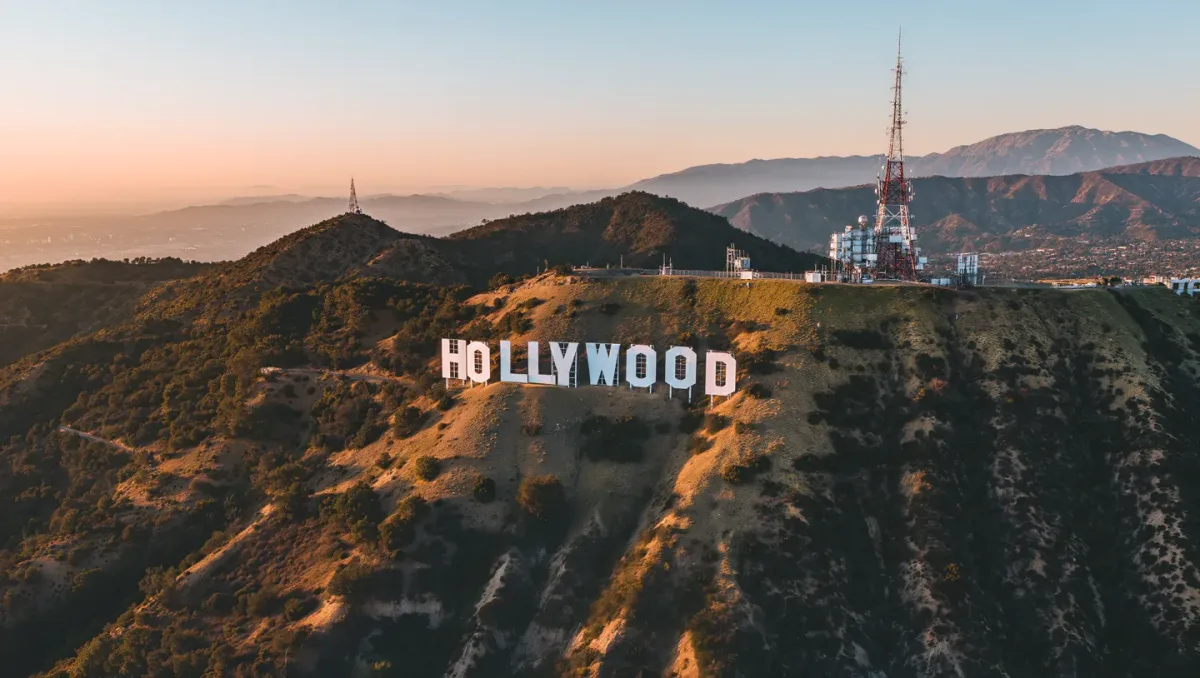
The Griffith Observatory sits on the south slope of Mount Hollywood in Griffith Park. It overlooks the Los Angeles Basin, with views toward downtown, Hollywood, and the ocean, plus a close view of the Hollywood Sign. That terrace alone explains its film career. Few locations offer a skyline, stars, and space exhibits in one frame.
The building opened in 1935, and admission has been free ever since, in keeping with the will of its benefactor, Griffith J. Griffith. More than 9 million people have looked through its 12-inch Zeiss refracting telescope, which has made it the most viewed telescope in the world. Interior displays lean hard into a space theme, which suits the screen roles the observatory keeps landing.
The Bradbury Building: Iron, Light, and Science Fiction
Many works of fiction have made use of the Bradbury Building, a five-story office landmark in downtown Los Angeles. Built in 1893, it is best known for its skylit atrium, its open walkways, and ornate ironwork that photographs like a dream. It has hosted many film and television shoots and music videos, along with a long list of novels and stories.
The building’s résumé is heavy on science fiction, and its most famous screen turn is a dystopia. Titles shot there include Chinatown from 1974 and The Cheap Detective from 1978. Commissioned by mining millionaire Lewis L. Bradbury and built by architect George Wyman, the structure earned a place on the National Register of Historic Places in 1971 and became a National Historic Landmark in 1977. It is the oldest landmarked building in the city. This connects to our earlier piece, Hollywood Sign Guide: The 1923 Billboard That Became an Icon, and Where to See It Best.
Los Angeles keeps both landmarks close in spirit even though they sit in different districts. One crowns a hilltop park above the city. The other hides in a downtown block among ordinary offices. Seeing them on the same trip takes a day, not a week.
Why These Places Keep Getting Cast
Cameras favor places with strong geometry and real texture. A skylit atrium with iron railings supplies both without set dressing. A hilltop terrace with a skyline supplies scale that no stage can fake. Landmarks like these are not backdrops. They are co-stars with their own fans. For related coverage, see Hollywood Walk of Fame: How Stars Get Their Star.
Planning a Visit
Both sites reward a short plan. The observatory offers free admission and its exhibits inside, so budget time for the displays as well as the view. The Bradbury is a working office building, so check visiting hours before you go and keep your time in the atrium respectful of the tenants. The lobby alone rewards the trip, even without a camera crew in sight. Weekdays are calmer at both sites, and mornings give the clearest air over the basin. Neither visit needs a ticket, which leaves room in the budget for the gift shop.
Watch a few films before you go and the visits get richer. Pick a scene set at night in the atrium, or one on an observatory terrace, and then stand where the camera stood. The match between memory and place is the whole reward.
Conclusion: Walk Into the Frame
Film tourism works best when the location is more than a photo stop. Griffith Observatory gives you the view the camera sees and the science that fills the frame. The Bradbury Building gives you light and iron that no screen fully captures. Visit both, and you will start spotting them in movies long after you get home.