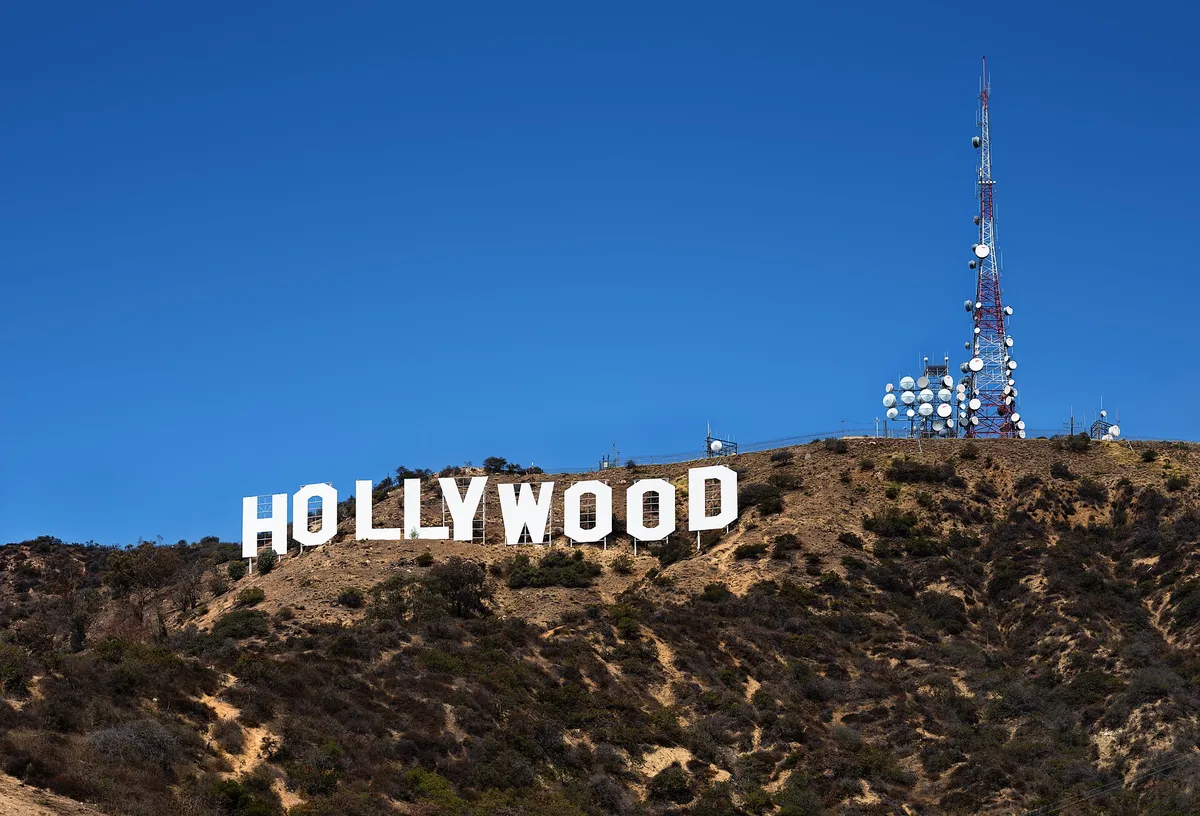
More than 2,800 brass-rimmed stars line the sidewalks of Hollywood Boulevard and Vine Street, according to Wikipedia . Tourists walk over them all day. The stars honor actors, musicians, directors, radio hosts, and more. Few visitors know how a name gets into the sidewalk. Wikipedia calls the Walk one of Los Angeles's most popular tourist attractions.
The process mixes honor with logistics. A chamber of commerce runs it. A committee screens the names. A fee pays the bills. Here is the path from nomination to unveiling.
Who Runs the Walk
The Hollywood Chamber of Commerce administers the Walk, according to Wikipedia. A self-financing group called the Hollywood Historic Trust maintains it. The chamber's selection committee reviews all new entries. It also collects the fees that build each star and care for the whole Walk. The chamber owns the Walk's licensing rights as well, and it guards them through cease-and-desist orders and lawsuits, according to Wikipedia. Readers following this should also see How the Hollywood Studio System Still Shapes Franchises, Stars and Streaming Deals.
The role is an old one. Wikipedia notes that a 1962 city ordinance named the chamber the official adviser on new honorees. City Hall stays out of daily business. Los Angeles bears no legal duty for these sidewalks. The chamber and its trust handle the upkeep on their own.
Who Can Be Nominated
Each year brings a steady stream of candidates. Wikipedia reports that the committee receives between 200 and 300 nominations per year . Anyone can nominate anyone except themselves. The nominee must approve the nomination.
Even getting considered has a price. Wikipedia lists a nomination fee of $275 as of 2026. The bar itself is professional. A candidate needs at least five years of experience in the nominated category. Posthumous candidates must have been gone for at least two years. Their family or estate must sign off as well. We covered a connected angle in How a Studio Builds a Franchise Slate Over Five Years, Step by Step.
The Walk honors six fields. They are motion pictures, television, recording, radio, live theater/performance, and sports entertainment, according to Wikipedia.
How the Selection Works
Judges weigh three things. They look at professional achievement, charitable contributions, and longevity. The cycle starts in April. By June, about thirty nominations have been chosen.
The process has opened up over time. Wikipedia notes that in 1999, after complaints about secrecy, the chamber disclosed its committee members by name. City government still gets a final look. Los Angeles City Council and the Board of Public Works sign off on the picks, according to Wikipedia. Then the clock ticks. An honoree must schedule a ceremony within two years. Miss the deadline and the selection is rejected.
What a Star Costs
Unveilings still draw a crowd. Wikipedia reports that attendance at new star ceremonies can reach into the thousands. A star carries a real price. Wikipedia puts the fee at $85,000 as of 2026 . The honoree's side pays it. The money builds and installs the star. It also covers a replica plaque, the unveiling event, and upkeep for the entire Walk.
The stars are built to endure. Each one is coral-pink terrazzo rimmed in brass, set into a charcoal square. Blank stars already wait in the sidewalk as placeholders for future honorees, according to Wikipedia.
Attendance is expected. Johnny Grant turned unveilings into media events and required each honoree to appear in person. Barbra Streisand is the only person whose star went in without her. Grant also started the fee itself, at a much smaller sum, to fund the Walk's upkeep. The honor lasts, too. No star has ever been removed from the Walk.
Conclusion
A Walk of Fame star is part award, part real estate, and part civic project. A fan or a studio starts the paperwork. A committee vets the name. The city signs off. The honoree's team pays the bill.
Stanley Kramer received the first permanent star in March 1960, according to Wikipedia. Thousands of names have followed. Once a name is set into the terrazzo, it stays.