Premium large formats promise a bigger, brighter, louder version of a film — and charge a ticket premium that can run three times the price of a standard seat. What actually changes is a set of measurable specs: image resolution, screen geometry, projection brightness and sound headroom. IMAX remains the category's flagship, but Cinemark XD, Regal RPX, Dolby Cinema and AMC Prime all sell their own version of the upgrade, and not all premiums buy the same hardware.
What is IMAX, technically?
IMAX is two things at once: a capture format and a projection standard. On the capture side, IMAX film cameras shoot 65mm stock running horizontally through the gate, exposing 15 perforations per frame — an area roughly ten times that of standard 35mm. Films shot this way include The Dark Knight, Dunkirk, Oppenheimer and, by most accounts of its production, Nolan's The Odyssey. Christopher Nolan has been the format's most persistent advocate, and the BBC noted that only a limited number of theaters worldwide can even project IMAX 70mm prints.
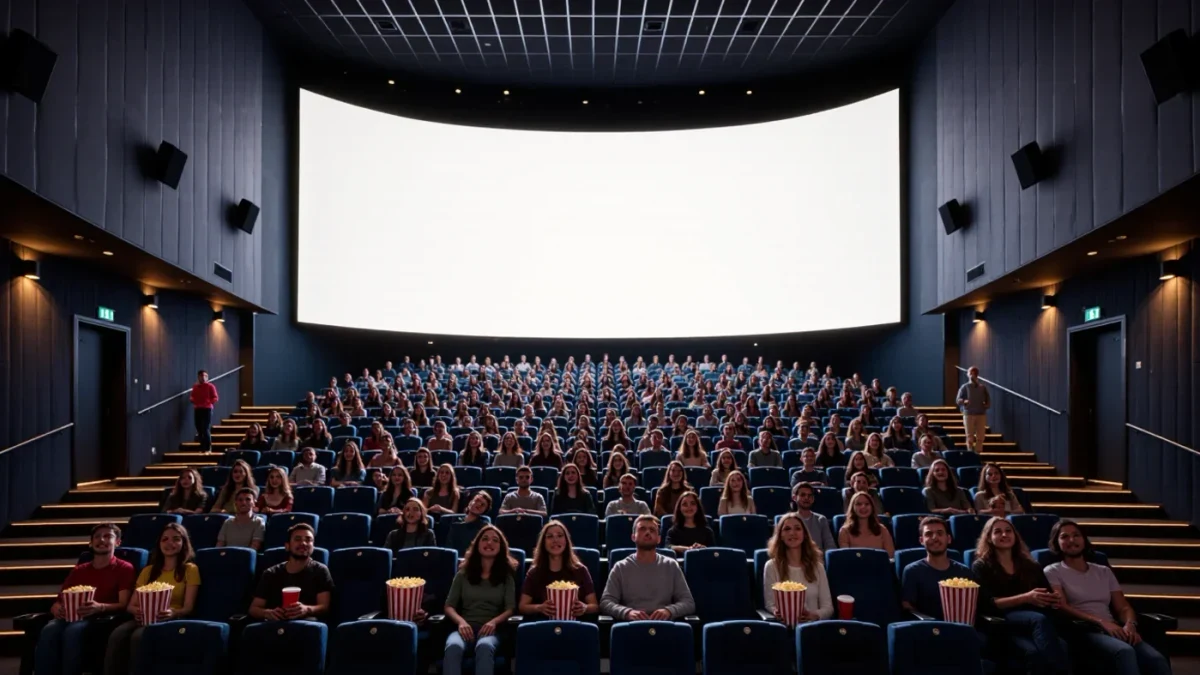
On the projection side, there are effectively two IMAX experiences. Legacy "GT" theaters use dual 15/70 film projectors or their laser successors and show films in a near-square 1.43:1 aspect ratio on screens up to roughly 100 feet wide. The far more common digital IMAX auditorium projects in 1.90:1, closer to ordinary widescreen — which is why enthusiasts coined the dismissive term "LieMAX" for multiplex IMAX screens that are only marginally larger than the standard house next door.
What do the competing premium formats offer?
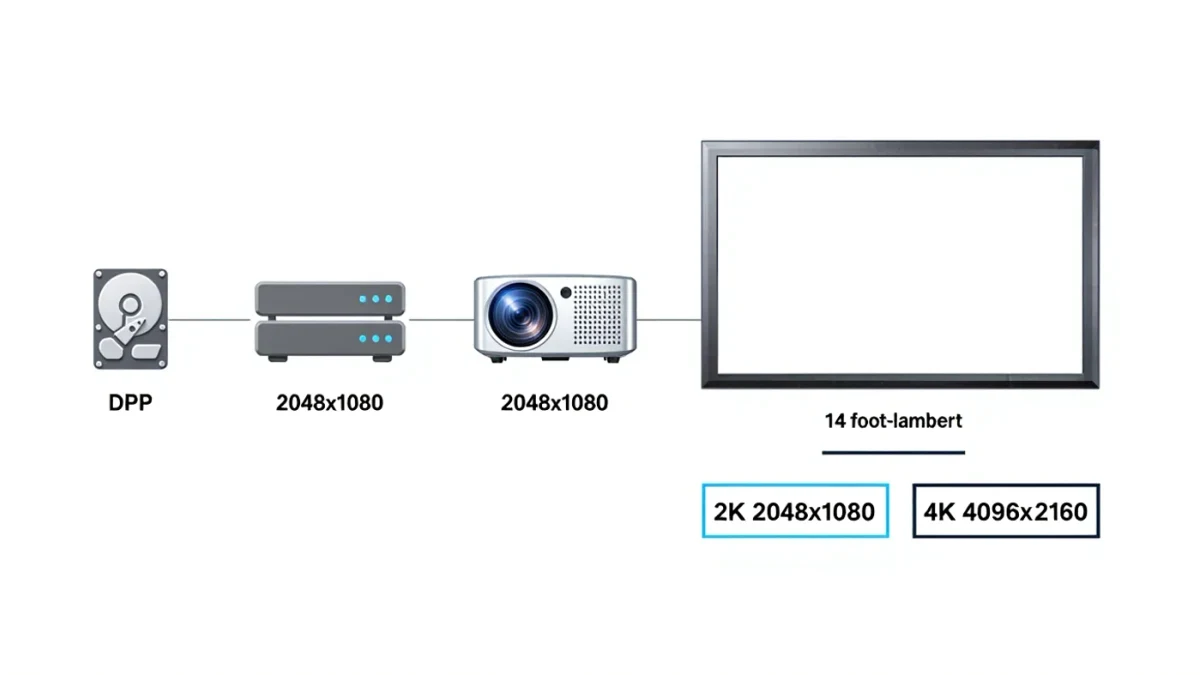
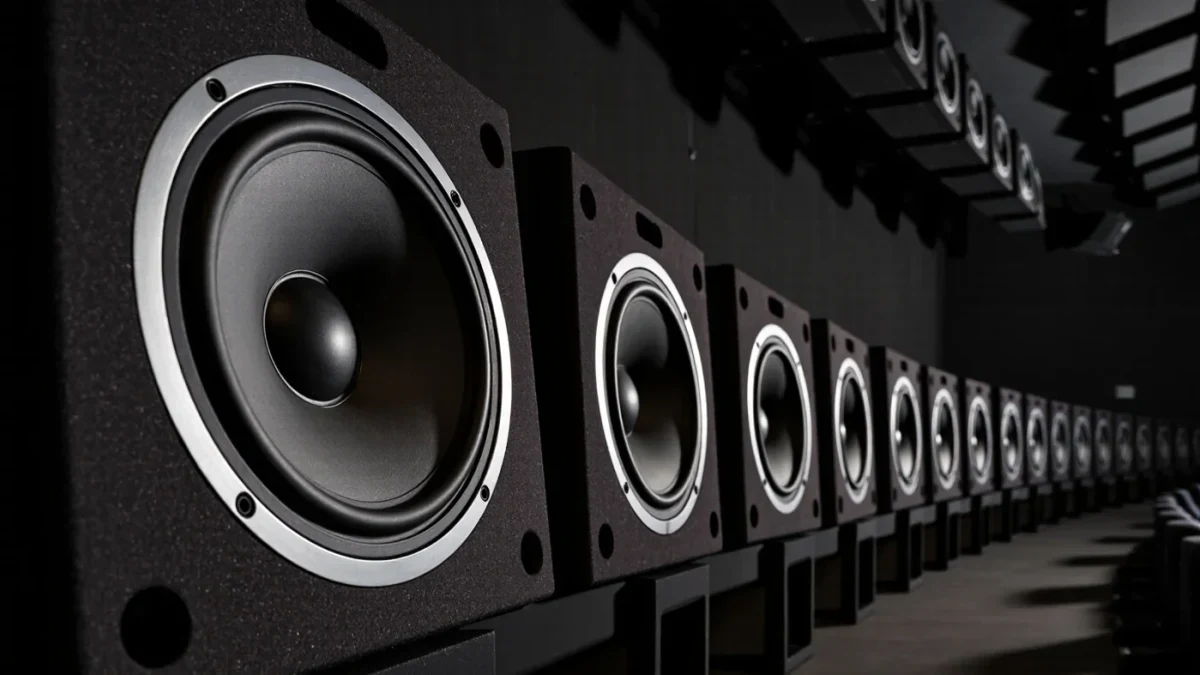
Dolby Cinema pairs dual 4K laser projectors with Dolby Atmos sound and, critically, a claimed peak brightness roughly twice the industry-standard 14 foot-lamberts, alongside deeper blacks than standard projection. That contrast ratio, not sheer size, is Dolby's pitch. Regal RPX and Cinemark XD are exhibitor-branded formats: larger screens, upgraded sound and standard 4K projection, without a dedicated capture format behind them. The premium you pay funds the room, not a different cut of the movie.
One exception matters: films shot with IMAX-certified or IMAX film cameras expand to fill more of the screen in IMAX theaters, while the same title appears letterboxed in every other format. Oppenheimer was the loudest recent demonstration — its IMAX 70mm presentations showed an hour or more of expanded-ratio footage that standard theaters cropped.
How do the formats compare on paper?
| Format | Aspect ratio | Projection | Claimed advantage |
|---|---|---|---|
| IMAX 70mm (GT) | 1.43:1 | Dual projector, film or laser | Largest image area; highest capture resolution |
| IMAX digital / laser | 1.90:1 | Single or dual laser | Taller frame than standard widescreen |
| Dolby Cinema | 2.39:1 / 1.85:1 | Dual 4K laser | Contrast and Atmos sound |
| RPX / XD | ~1.85:1–2.39:1 | Large-format 4K | Screen size and loudness |
| Standard digital | 2.39:1 / 1.85:1 | DCI 2K or 4K | Baseline 14 fL reference |
Is the upcharge worth it?
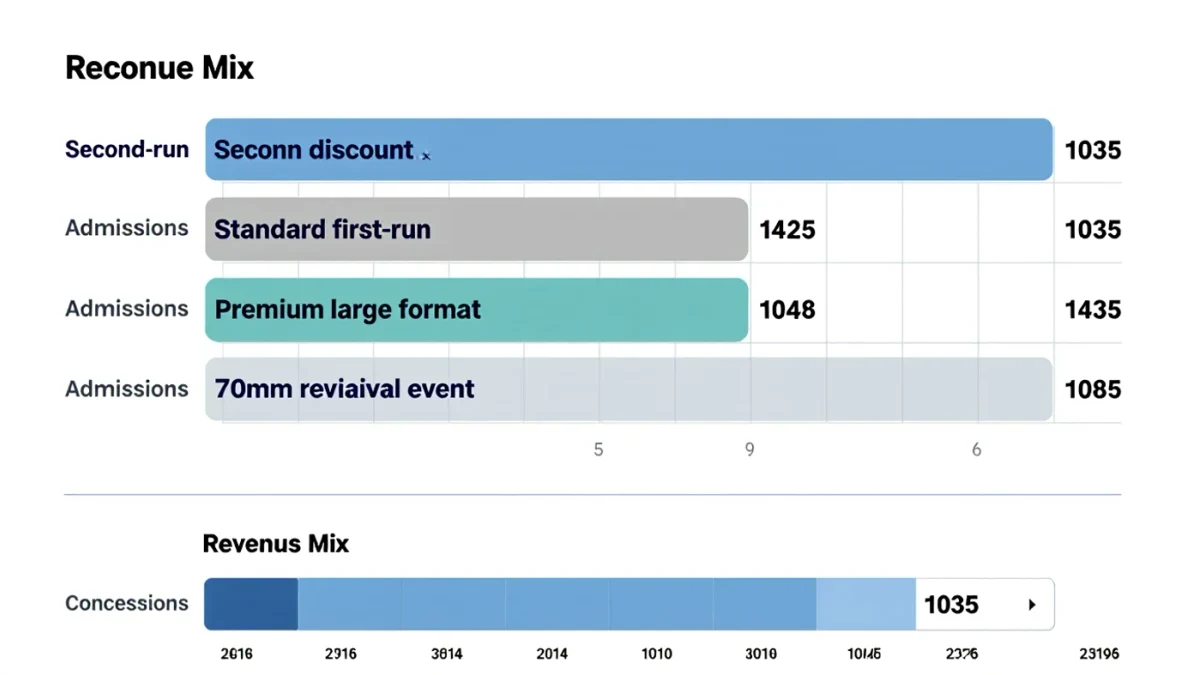
The honest answer splits by title. For films with native IMAX footage, the format premium buys imagery that literally does not exist in the standard auditorium. For ordinary releases reformatted into premium houses, the upcharge buys louder sound and a bigger wall — a real difference, but a smaller one than marketing implies. Industry reporting has repeatedly framed premium large formats as one of exhibition's few reliable growth levers, since format premiums rise faster than base admissions.
Practical guidance follows from the specs. Check whether the film was shot with IMAX cameras; check whether your theater is a 1.43:1 flagship or a 1.90:1 digital house; and weigh Dolby Cinema when the title is dark-graded, because contrast, not scale, is where it measurably wins. The premium is real. So is the variance between what different theaters sell under the same billing.
Why are studios pushing premium formats harder now?
Box office economics drive the trend. Premium tickets carry the highest margins in the building, and event titles — the franchise entries and auteurs with format loyalities — concentrate their openings in those rooms. IMAX in particular has reported record shares of opening-weekend grosses for films like Oppenheimer, which took roughly a quarter of its debut weekend from IMAX screens alone. That pulls more productions toward format-native shooting, which in turn gives audiences a reason to keep paying. The loop is commercial, but its output — bigger negatives, brighter projection, expanded ratios — is the most visible craft upgrade in mainstream exhibition.
Where did the premium format boom come from?
Premium large formats are older than the current marketing suggests. IMAX dates to the early 1970s, built around documentary shorts on giant screens in institutional venues, and spent decades as an aquarium-and-Everest circuit before Hollywood tentpoles colonized it. The modern shift began when studios started remastering blockbusters for the format, and accelerated once filmmakers — Michael Bay early, then Nolan and Denis Villeneuve with Dune — shot native footage that made the upcharge defensible.
Exhibitors followed the margin. As base admission plateaued, chains invested in branded premium houses because a $5-to-$15 per-ticket surcharge scales revenue without adding seats. IMAX's corporate results in recent years have leaned heavily on that mix shift: fewer new screens, more revenue per screen, driven by format premiums on event titles. The audience-facing consequence is a two-tier market where the "canonical" version of a tentpole is increasingly the premium one.
Does shooting in the format change the filmmaking?
Yes, in concrete ways. IMAX film cameras are loud and heavy, which constrains dialogue scenes and handheld work — Nolan's crews have famously built blimps and rewritten blocking around the noise. The 1.43:1 frame also composes differently: more ceiling, more vertical architecture, closer to a stage proscenium than a classical widescreen vista. Filmmakers who choose the format design shots for it, which is why expanded-ratio footage tends to arrive in deliberate bursts — action sequences and establishing scale — rather than uniform throughout the runtime.
For audiences, the tell is simple. When the image suddenly fills more of the screen during a premium screening, the filmmakers shot that section for the format. Everything letterboxed is standard photography. The premium experience is partly a map of where the production spent its biggest negatives.
How should you decide before buying a ticket?
Check three things. First, whether the film has native expanded footage — IMAX's own listings mark this. Second, what your local theater actually is: a GT dual-projection house, a single-laser 1.90:1 room, or a rebranded standard auditorium; IMAX's theater listings disclose the projection type. Third, what the alternative premium option offers for that title — a Dolby Cinema showing of a dark, effects-heavy release may outperform a smaller IMAX screen. Premium is a category of one only in advertising.